
13K Trail Running Race Prep Tips
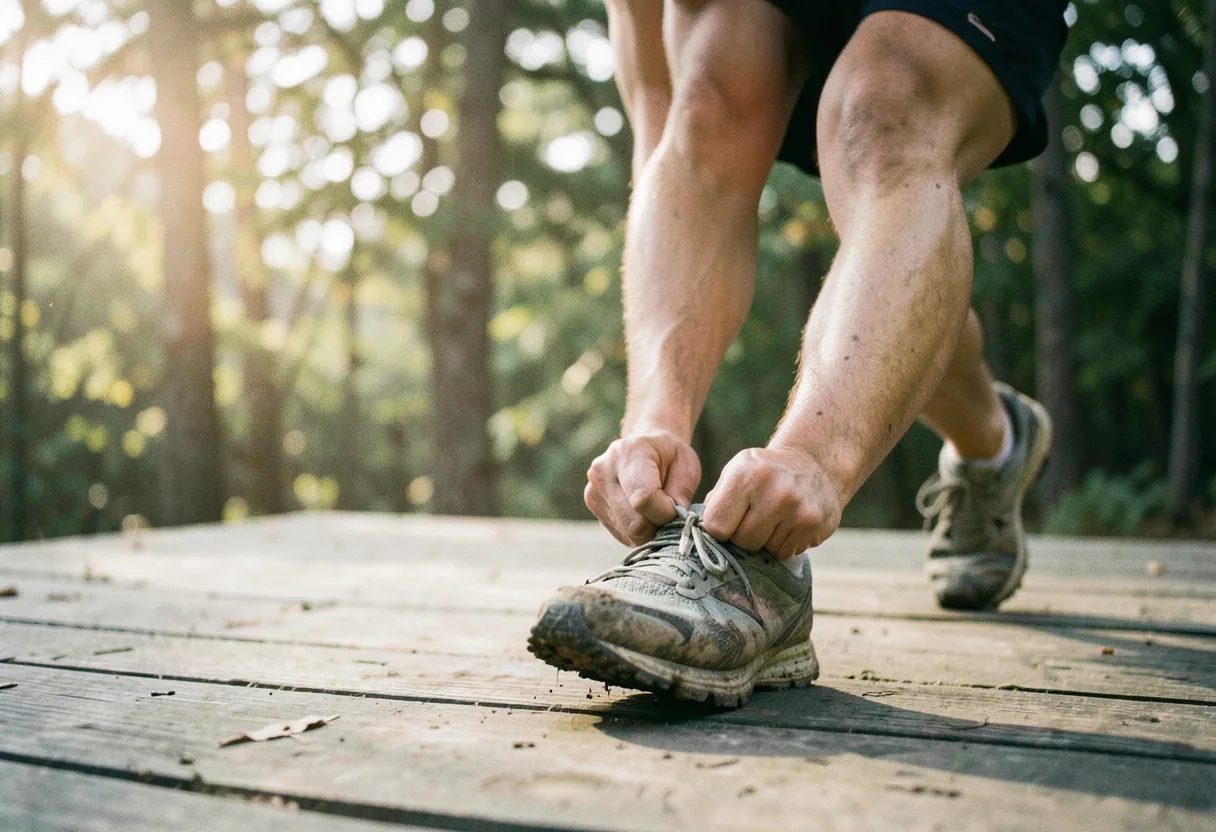
Train consistently on trails with 13 kilometers of elevation gain, like the 2023 Pikes Peak Ascent course. Practice downhill running to reduce joint stress. Hydrate with electrolyte drinks every 4-5 kilometers. Wear trail-specific shoes with aggressive lugs for grip.
Key facts
- The Lago Maggiore International Trail (LMIT) 13K race covers 13 kilometers with approximately 500 meters of elevation gain.
- The course features a mix of forest trails, rocky paths, and scenic ridgelines.
- Runners must navigate technical sections, including root-covered trails and steep ascents.
- Average completion time for the 13K race is between 1 hour 30 minutes and 2 hours 30 minutes.
01The LMIT 13K: A Test of Skill and Endurance
The LMIT 13K is a demanding trail running race that challenges runners with varied terrain and elevation changes. Unlike road races, trail running requires a different set of skills, including technical footwork, endurance, and the ability to adapt to changing conditions. The course is designed to test both physical and mental resilience, making it a unique experience for both beginners and experienced trail runners.
The LMIT 13K is not just about speed; it’s about strategy. Runners must decide when to push hard and when to conserve energy for the more technical sections. This race is a true test of skill and endurance, where the ability to read the trail and adjust your pace can make all the difference.

02Preparing for the LMIT 13K: Training Tips
To prepare for the LMIT 13K, focus on building both your endurance and technical skills. Start with a base of steady running, gradually increasing your distance and elevation gain. Incorporate hill repeats and trail-specific workouts into your training plan to simulate the race conditions. The first time I really looked at the LMIT course map, I noticed the steep sections and technical descents, these are the areas where most runners struggle, so they should be the focus of your training.
Incorporate strength training into your routine to build the muscles needed for uphill climbs and downhill descents. Exercises like squats, lunges, and step-ups can help strengthen your legs and improve your stability on uneven terrain. Additionally, practicing on trails with similar conditions to the LMIT course can help you become more comfortable with the technical aspects of the race.
03Nutrition and Hydration for the LMIT 13K
Proper nutrition and hydration are crucial for performing well in a trail race like the LMIT 13K. Start hydrating well before the race and continue to drink small amounts of water throughout the event. Electrolyte drinks can help replace the minerals lost through sweat and prevent cramping.
For nutrition, focus on consuming easily digestible carbohydrates during the race to maintain your energy levels. Energy gels, chews, or bars can be convenient options, but make sure to test them during your training runs to avoid stomach issues on race day. Aim to consume 30-60 grams of carbohydrates per hour, depending on your individual needs and tolerance.
04Gear and Equipment for the LMIT 13K
Choosing the right gear can make a significant difference in your performance and comfort during the LMIT 13K. Invest in a good pair of trail running shoes with adequate grip and support for the varied terrain. Look for shoes with a protective toe cap and a rugged outsole to handle rocky and root-covered trails.
A hydration vest or belt can help you carry water and snacks without slowing you down. Choose a vest that fits comfortably and has enough pockets for your essentials. Additionally, wear moisture-wicking clothing to keep you dry and comfortable throughout the race. Layering is key, as temperatures can vary, especially at higher elevations.
05Race Day Strategy for the LMIT 13K
On race day, start with a conservative pace to avoid burning out early. Focus on maintaining a steady effort and saving your energy for the more challenging sections of the course. Pay attention to the course markers and stay on the designated trail to avoid getting lost.
As you approach technical sections, shift your focus to your foot placement and maintain a controlled descent. Use your arms for balance and take your time on steep or slippery sections. Remember, the goal is to finish strong, not to start too fast and fade later.
06Post-Race Recovery for the LMIT 13K
After completing the LMIT 13K, prioritize recovery to help your body bounce back. Hydrate with water and electrolyte drinks to replenish lost fluids. Consume a balanced meal with protein and carbohydrates to support muscle repair and glycogen replenishment.
Stretching and foam rolling can help alleviate muscle soreness and improve flexibility. Consider taking a few days off from intense exercise to allow your body to recover fully. Gentle activities like walking or yoga can help promote blood flow and reduce stiffness without overstressing your muscles.
07The History and Significance of the LMIT 13K
The Lago Maggiore International Trail (LMIT) 13K race has a rich history that dates back to its inception in 2005. The race was created to showcase the natural beauty of the Lago Maggiore region and to promote trail running as a sport. Over the years, the LMIT 13K has grown in popularity, attracting runners from all over the world. The race is known for its challenging course and stunning views, making it a favorite among trail running enthusiasts.
The LMIT 13K is part of a larger series of trail races organized by the Lago Maggiore Trail Running Association. These races are designed to cater to runners of all skill levels, from beginners to elite athletes. The association also organizes training programs and workshops to help runners improve their skills and prepare for the races. The LMIT 13K is not just a race; it’s a celebration of the sport of trail running and the natural beauty of the Lago Maggiore region.
08Notable Races and Events Along the LMIT 13K Course
The LMIT 13K course passes through several notable landmarks and points of interest. One such landmark is the Sacro Monte di Ghiffa, a UNESCO World Heritage Site known for its scenic beauty and historical significance. The course also passes through the picturesque town of Pallanza, which is famous for its beautiful gardens and historic villas. Runners will also encounter the stunning Borromean Islands, a group of islands located in the southern part of Lago Maggiore.
In addition to the natural beauty of the region, the LMIT 13K course also passes through several historical sites. One such site is the Castello di Angera, a medieval castle that dates back to the 12th century. The castle is known for its impressive architecture and rich history, making it a popular tourist attraction. Another notable site along the course is the Hermitage of Santa Caterina del Sasso, a cliffside monastery that offers breathtaking views of the lake.
09Weather Considerations for the LMIT 13K
The weather in the Lago Maggiore region can be unpredictable, especially at higher elevations. Runners should be prepared for a variety of conditions, including rain, wind, and sudden temperature changes. Checking the weather forecast before the race and dressing in layers can help you stay comfortable and safe throughout the event.
In the summer months, temperatures can be quite warm, especially in the lower elevations. Hydration becomes even more critical in these conditions, so make sure to carry enough water and electrolyte drinks to stay hydrated. In the spring and fall, the weather can be cooler and more variable. Wearing moisture-wicking, breathable layers can help you adapt to changing temperatures and stay comfortable during the race.
- Build a base of steady running, gradually increasing distance and elevation.
- Incorporate hill repeats and trail-specific workouts into your training plan.
- Focus on proper nutrition and hydration during training and on race day.
- Invest in quality trail running gear, including shoes, a hydration vest, and moisture-wicking clothing.
- Start with a conservative pace on race day and maintain a steady effort.
- Prioritize recovery after the race with hydration, balanced meals, and gentle activities.
- Explore the historical and cultural landmarks along the LMIT 13K course.
- Participate in training programs and workshops organized by the Lago Maggiore Trail Running Association.
Takeaway: Preparing for the LMIT 13K requires a combination of physical training, proper nutrition, and strategic gear choices. By focusing on building your endurance, technical skills, and race-day strategy, you can set yourself up for a successful and enjoyable experience on the trails of Lago Maggiore.
10Frequently asked questions
How should I structure my training for a 13K trail race?
Focus on three key workouts weekly: a long run on varied terrain, a hill repeat session, and a speed workout on flat ground. For example, run 10K on trails with 500m of elevation gain, do 8×30-second hill sprints, and include 6x400m at 5K pace. Balance this with easy runs and rest days.
What gear is essential for a 13K trail race?
Invest in trail-specific running shoes with aggressive lugs for grip, like the Altra Lone Peak or Salomon Speedcross. Wear moisture-wicking socks and lightweight, breathable clothing. Carry a small hydration pack or handheld bottle, and consider trekking poles for technical sections.
How do I fuel properly before and during the race?
Eat a carb-rich meal 2-3 hours before, such as oatmeal with banana. During, consume 30-60g carbs per hour, like energy gels or chews. Practice your fueling strategy in training to avoid stomach issues. Hydrate consistently, but avoid overdoing it to prevent hyponatremia.
What’s the best pacing strategy for a 13K trail race?
Start conservatively, aiming for 80% of your road 10K pace. Adjust based on elevation changes: slow down on steep climbs and maintain effort on descents. Check your watch for splits, but prioritize effort over pace. Save energy for the final 3K push.