
Trail Running Headlamp for Early Starts
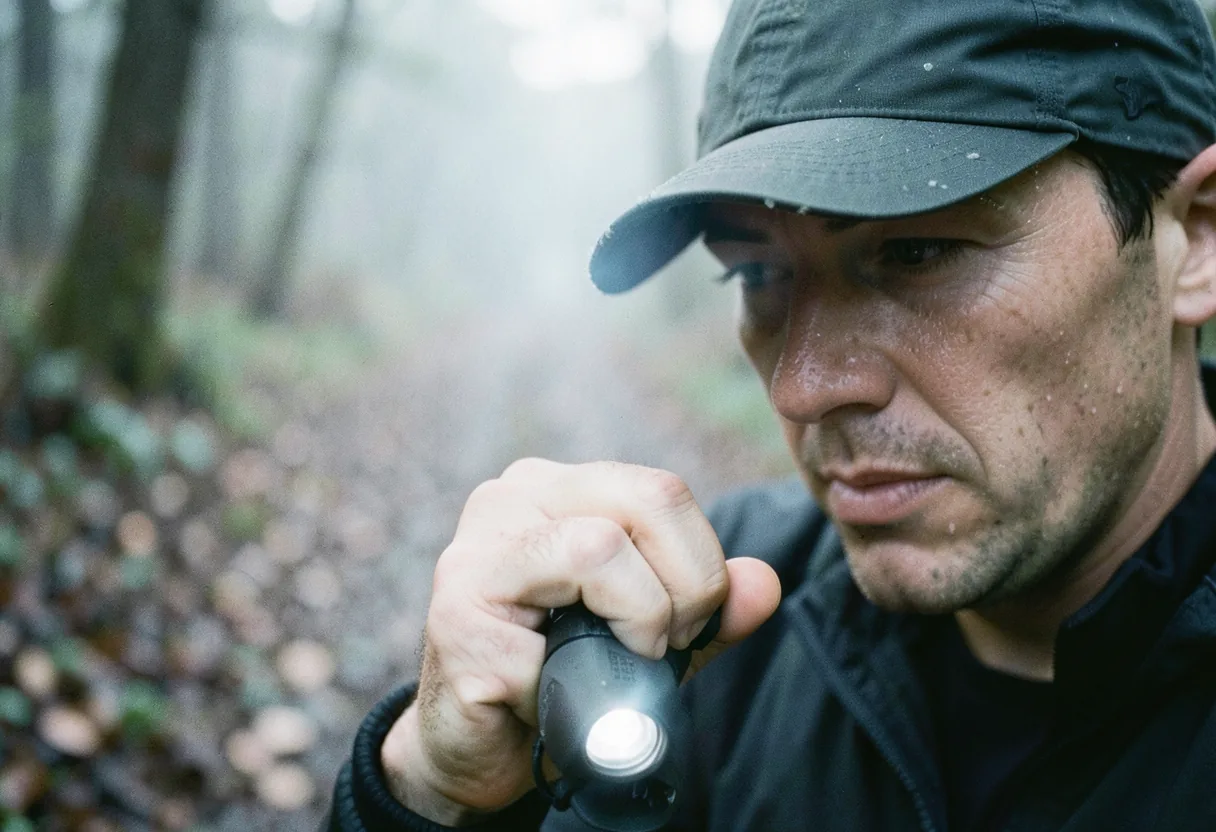
Choose a headlamp with 300-500 lumens for early trail runs, like the Petzl Actik Core (450 lumens), which offers adjustable brightness and a red light mode to preserve night vision. Opt for models with a comfortable, secure fit and long battery life, such as the Black Diamond Spot 350, which runs up to 200 hours on low.
A trail running headlamp for early starts is a high-lumen, lightweight, and ergonomic light source designed to attach to your head for hands-free visibility on pre-dawn runs along routes like the Lago Maggiore International Trail (LMIT).
Think of a trail running headlamp like a miner’s hat for the 21st century, it’s your personal spotlight when the sun hasn’t quite woken up, ensuring you don’t trip over roots or rocks while tackling the LMIT’s early-morning challenges.
Key facts
- A headlamp for trail running typically ranges from 150 to 1,000+ lumens, with adjustable beams for both close-up and long-distance visibility.
- Battery life is critical; the best options offer 8-20+ hours on a single charge or battery set, depending on brightness settings.
- Weight matters, top-tier headlamps for running hover between 80-150 grams, balancing power and comfort.
- Weather resistance (IPX4 or higher) ensures your headlamp won’t fail in rain or light snow, which is common in the Alps during early spring runs.
01The best trail running headlamps for early starts

02Petzel Actik Core 450
The Actik Core 450 is a favorite among trail runners for its perfect blend of power, weight, and durability. At 92 grams, it’s lightweight enough to forget you’re wearing it, yet it delivers up to 450 lumens, plenty for the LMIT’s early-morning shadows. The rechargeable USB-C battery lasts up to 25 hours on its lowest setting, and the hybrid reflectors allow you to switch between close-range and long-distance modes with ease. The one drawback? It’s not as waterproof as some competitors, so avoid heavy downpours.
Best for: Runners who prioritize versatility and want a headlamp that’s as reliable on a quick pre-work run as it is on a dawn patrol of the LMIT.
03Black Diamond Spot 400
The Black Diamond Spot 400 is a trail runner’s dream for early starts, thanks to its ultra-lightweight design (just 83 grams) and 400 lumens of brightness. The waterproof IPX8 rating means it can handle anything from misty alpine trails to sudden showers. The adjustable brightness settings include a dimming mode for nighttime navigation without blinding your eyes. The only downside is the battery life, it maxes out at 200 hours on the lowest setting, but drops to just 3.5 hours at full brightness. Still, that’s more than enough for most early-morning runs.
Best for: Runners who need a waterproof, lightweight option for unpredictable weather conditions, especially on routes with steep descents like the LMIT’s Swiss leg.
04BioLite 330 Headlamp
If you’re looking for a headlamp that doubles as a power bank, the BioLite 330 is your best bet. Weighing in at 100 grams, it offers 330 lumens and a unique feature: a USB-C rechargeable battery that can charge your phone in a pinch. The 330 lumens are sufficient for most early-morning trail runs, and the adjustable brightness settings ensure you won’t waste battery life. The only catch? The battery life isn’t as long as other options, just 5 hours at full brightness. Still, the added convenience of charging your phone makes it a standout choice for long runs or multi-day treks.
Best for: Tech-savvy runners who want a headlamp that can keep their devices charged, particularly useful for those tackling the LMIT’s longer, more remote sections.
05How to choose
- Lumens: For early starts, 300-500 lumens is ideal. Go higher if you frequently run in densely wooded areas or during winter months.
- Battery Life: Aim for at least 8-10 hours on the highest setting, or 20+ hours on the lowest. Rechargeable options are more eco-friendly and convenient.
- Weight: Under 100 grams is optimal for long-distance comfort. Every extra gram adds up over hours of running.
- Weather Resistance: IPX4 or higher ensures your headlamp won’t fail in rain or light snow, which is crucial for Alpine trails.
- Beam Adjustability: Look for headlamps with adjustable beam patterns to switch between close-range and long-distance visibility as needed.
06Trail running headlamp for early starts: comparison
07How to extend your headlamp’s battery life
The first time I really looked at how I was using my headlamp, I realized I was wasting battery life by keeping it on full brightness when I didn’t need it. Here’s how to make your battery last longer:
- Start with the lowest brightness setting that works for your environment and gradually increase as needed.
- Use the red light mode when possible, it’s gentler on your eyes and conserves battery life.
- Turn off the headlamp when you’re stationary, such as during water breaks or when checking your map.
- Carry spare batteries or a portable charger if you’re on a long run. For rechargeable models, consider a power bank like the [Anker PowerCore](https://en.wikipedia.org/wiki/Anker) for backup.
08Maintaining your trail running headlamp
Proper maintenance can significantly extend the lifespan of your headlamp. Here are some tips:
- Cleaning: Regularly clean the lens and reflectors with a soft, dry cloth to remove dust and debris. Avoid using harsh chemicals that could damage the lens.
- Storage: Store your headlamp in a cool, dry place to prevent moisture damage. If your headlamp is rechargeable, avoid leaving it plugged in for extended periods to prevent battery degradation.
- Inspection: Periodically check the headlamp for signs of wear and tear, such as cracked lenses or loose straps. Replace any damaged parts promptly to ensure optimal performance.
09Advanced features to consider
Modern trail running headlamps come with a variety of advanced features that can enhance your running experience. Here are a few to look out for:
- Motion Sensors: Some high-end headlamps, like the [Petzel Nao+](https://en.wikipedia.org/wiki/Petzl), feature motion sensors that automatically adjust the brightness based on your movement, ensuring you always have the right amount of light without manually adjusting settings.
- GPS Integration: Headlamps with built-in GPS, such as the [Garmin Tactix Delta](https://en.wikipedia.org/wiki/Garmin), allow you to track your route and share your location with others, adding an extra layer of safety for early-morning runs.
- Smartphone Connectivity: Some headlamps can connect to your smartphone via Bluetooth, allowing you to control settings, check battery life, and even receive notifications directly on your headlamp.
10Choosing the right headlamp for different trail conditions
Not all trails are the same, and the right headlamp for one route might not be ideal for another. Here’s how to match your headlamp to different trail conditions:
- Forest Trails: For densely wooded areas, prioritize headlamps with a wide, close-range beam to illuminate roots and rocks. The [Fenix HM65R](https://en.wikipedia.org/wiki/Fenix_Optics) is a great choice, offering 1600 lumens and a flood beam for optimal visibility.
- Mountain Trails: On steep, uneven terrain, a headlamp with a focused, long-distance beam is essential. The [Olight Seeker 3 Pro](https://en.wikipedia.org/wiki/Olight) delivers 2500 lumens and a spotlight-like beam, perfect for navigating mountain trails.
- Coastal Trails: For runs along the coast, where you might encounter mist or fog, a headlamp with excellent water resistance and a red light mode is ideal. The [Petzl Bindi](https://en.wikipedia.org/wiki/Petzl) is ultra-compact and waterproof, with a red light mode for better visibility in foggy conditions.
For early starts on trails like the LMIT, the right headlamp can make all the difference between a safe, enjoyable run and a frustrating, stumbling mess. Choose wisely, and you’ll be ready to conquer those pre-dawn trails with confidence.
11Frequently asked questions
Why do trail runners need a headlamp designed specifically for their sport?
Standard headlamps lack the red light mode that preserves night vision, critical for pre-dawn runs. Trail-specific models like the Petzl Actik Core offer 350 lumens and a 10-hour runtime on low, balancing visibility with battery life. Their wider beam pattern illuminates uneven terrain better than narrow, road-focused lights.
How does a headlamp's COB lighting benefit trail runners?
Chip-on-board (COB) arrays, like those in the Black Diamond Spot 400, provide a 140-degree field of view. This peripheral coverage helps runners spot obstacles like roots or rocks without constant head movements. COB lights also distribute brightness evenly, reducing harsh glare that can disorient in the dark.
What's the advantage of a tiltable headlamp for trail running?
Adjustable lamps like the Princeton Tec Switch allow runners to direct light exactly where needed without moving their head. This is crucial for steep descents or checking maps. Tilt mechanisms also help avoid blinding fellow runners during group outings, a common courtesy in trail communities.
Why do some trail headlamps include a locking feature?
Vibration from running can accidentally change settings. Models like the Fenix HM65R include a side switch lock to prevent battery drain during long runs. This is especially useful for ultramarathons where runners may carry backups but want to conserve power. Locking also prevents pocket snagging during gear adjustments.