
Trail Running Poles When to Use
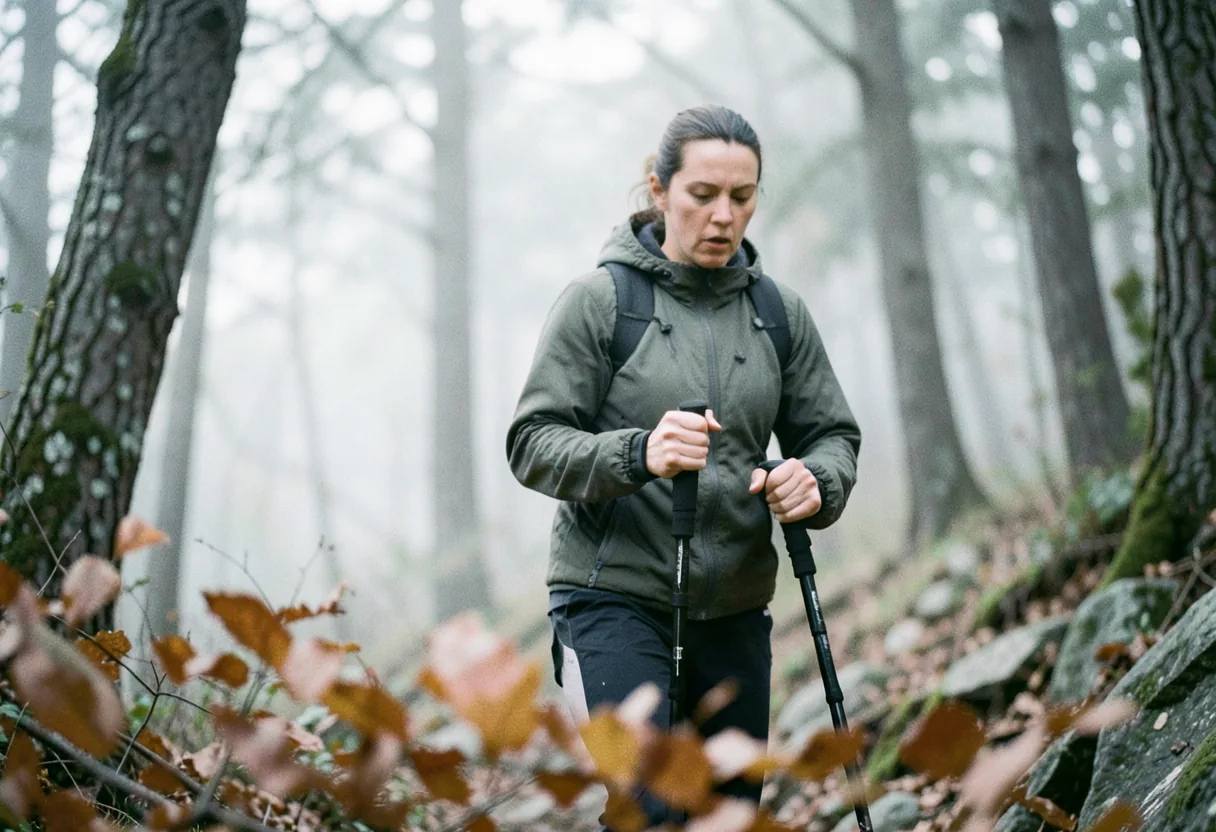
Use trail running poles for steep descents, technical terrain, or to reduce joint impact. They improve stability on loose gravel, river crossings, or muddy sections. Lightweight options like Black Diamond’s Distance Carbon Z add minimal weight for long-distance races.
Trail running poles are collapsible support tools used to improve stability and reduce impact while running on uneven or steep terrain, especially on trails like the Lago Maggiore International Trail (LMIT).
Think of trail running poles like the outrigger canoes of the trail world, extra points of contact that keep you steady when the ground gets sketchy, whether you’re dodging roots on the LMIT’s Macugnaga leg or powering up the steep inclines near Stresa.
Key facts
- Trail running poles typically weigh 7-10 oz (200-280 g) per pair and fold down to 12-16 inches (30-40 cm) for easy packing.
- They absorb 10-15% of the impact force on your legs during downhill running, reducing joint strain.
- Poles with interchangeable tips (rubber for roads, metal for trails) adapt to mixed-surface trails like those in Lago Maggiore’s varied terrain.
- Top brands like Black Diamond and Leki offer models with carbon fiber shafts for lightweight strength, ideal for LMIT’s longer stages.
01When to Use Trail Running Poles on the LMIT
The steep descents of the LMIT’s Maggiore Loop are where poles shine, imagine bombing down from Mottarone to Lake Mergozzo without them, and you’ll understand why even experienced runners grab them for this section. Poles also help stabilize on loose scree slopes like those near Mount Catino, where sudden shifts in footing can happen. For technical rock scrambles, such as the short sections near Monte Gorno, poles provide upper-body leverage to keep you upright.
On the flatter, wider trails around Lago Maggiore, poles might feel unnecessary, but they’re invaluable for river crossings, where uneven rocks demand extra balance. The LMIT’s route often follows old mule paths, which can be narrow and eroded; poles help maintain momentum without sliding into the undergrowth. Even during the trail’s muddy spring conditions, poles act as probes to test soft ground before committing your foot.
02How Trail Running Poles Improve Performance
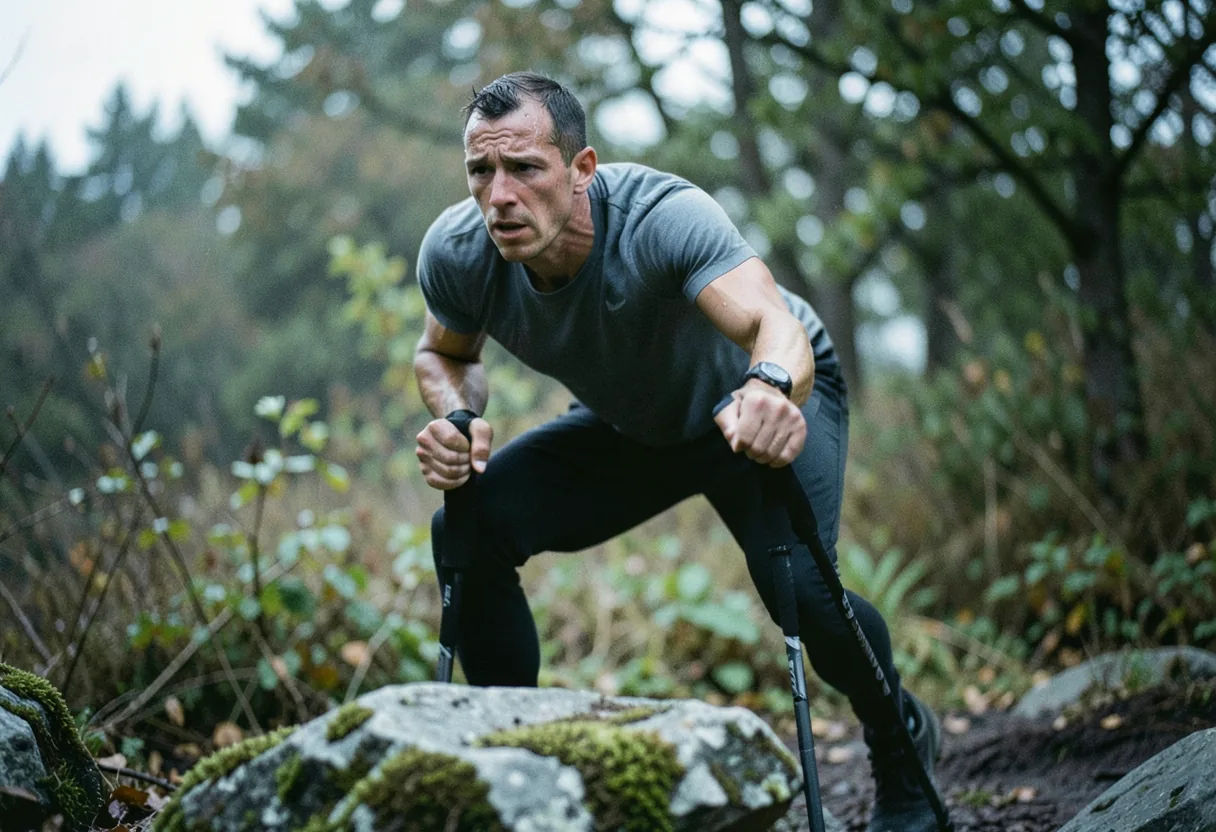
Poles engage your arms and shoulders, turning trail running into a full-body workout, critical for the LMIT’s 190km length. Studies show they reduce quad fatigue by up to 25% on downhills, letting you push harder without the next-day soreness that can sideline runners for days. For the LMIT’s elevation gain of 11,000m, this means fresher legs for the final stages near Arona.
The rhythmic motion of pole use can also improve breathing efficiency, synchronizing arm swings with your stride to create a natural, oxygen-optimizing cadence. This is especially useful on the trail’s high-altitude sections like Alpe Veglia, where thinner air demands every efficiency gain.
03Choosing Poles for the LMIT’s Terrain
For the LMIT’s mix of alpine trails, rocky paths, and road transfers, look for poles with quick-lock adjustments to fine-tune length on the fly. The Black Diamond Distance Carbon Z Poles, weighing just 9.6 oz (272 g) per pair, are a favorite among LMIT runners for their balance of weight and durability. Their non-slip EVA grips handle the trail’s variable weather, from summer sun to autumn rain.
For technical sections like the Via delle Capre, prioritize poles with tungsten carbide tips for bite into rock and dirt. The Leki Micro Vario Titanium poles include these tips and feature an ergonomic trigger-shroud strap system, reducing hand fatigue during long descents. Their telescopic design collapses to 14 inches (35 cm), fitting neatly into hydration packs like the Salomon Sense Adv Skin 12 Set Trail Running Hydration Vest Guide, which many LMIT runners use.
04How to Use Poles Correctly on Trail Runs
Plant poles at a 45-degree angle slightly ahead of your front foot to maximize stability without overreaching. On steep uphills, shorten the poles by 5-10 cm to maintain a natural arm swing. For downhills, lengthen them by the same amount to keep your posture upright and reduce knee strain. Avoid the “snowplow” technique, planting poles too wide, which can destabilize you on narrow LMIT trails like the ridge near Mount Rosso.
05Trail Running Poles for Different Conditions
The LMIT’s weather can shift from sun to storms in minutes, so versatility matters. Poles with a “speed cone” design, like the Black Diamond Distance Z, shed snow easily, useful if you’re caught in late-spring blizzards above 2,000m. For summer runs, the same poles’ breathable straps prevent overheating during long climbs like the one from Cannobio to Cannero Riviera.
On the trail’s muddy sections, such as the lowland paths near Verbania, poles with a mud guard (like the Leki Cressida FX) prevent clogs. The LMIT’s loose volcanic scree near Monte Navegna demands poles with a wrist strap lockout to prevent accidental releases during technical maneuvers.
The first time I really looked at how poles transform downhill running was during the LMIT’s Maggiore Loop. A fellow runner, struggling without poles, switched to mine for a descent, and the difference in confidence, and speed, was immediate. Poles aren’t just about stability; they’re a secret weapon for maintaining pace when the trail gets steep.
06Maintaining Your Trail Running Poles
After LMIT’s rocky trails, clean poles with soapy water to remove dirt and debris from the mechanisms. Check the quick-lock adjustments monthly for smooth operation, especially after heavy use on sections like the Monte Gorno scrambles. Replace worn-out EVA grips to maintain comfort, Black Diamond offers grip refill kits for their poles.
Store poles indoors to prevent rust on metal parts, and avoid leaving them in hot cars, which can warp carbon fiber shafts. For long-term storage, loosen the tension on the locking mechanisms to relieve internal pressure. The LMIT’s mix of terrain and weather means your poles will take a beating, so regular maintenance ensures they’re ready for your next run.
07When Not to Use Trail Running Poles
On the LMIT’s wide, smooth trails like the lakeside paths around Pino sulla Sponda, poles can feel cumbersome. For short, technical climbs where hands-free scrambling is needed, such as the short rock bands near Monte Navegna, stowing the poles temporarily is safer. In dense forests where low branches are common, poles may snag, sections like the trail near Aurano require careful pole management or removal.
- Assess the trail ahead, use poles for steep, loose, or technical sections.
- Adjust pole length for uphills, downhills, and flat terrain.
- Plant poles at a 45-degree angle for optimal stability.
- Clean and maintain poles after runs to extend their lifespan.
- Stow poles when they become more of a hindrance than a help.
For the LMIT, poles are a game-changer, literally. The trail’s mix of alpine peaks, rocky descents, and river crossings demands gear that adapts as quickly as you do. Don’t leave home without them.
08Frequently asked questions
Are trail running poles only for steep downhill sections?
Not at all. Poles shine on uphill climbs too, reducing leg strain by 10-15% according to biomechanics studies. They also improve balance on technical terrain like the 2017 UTMB race's rocky descents. Use them on loose gravel or river crossings to maintain stability. Lightweight models like the Black Diamond Distance Carbon Z weigh just 220g, making them unnoticeable.
Do elite runners use trail running poles?
Yes, but selectively. Kilian Jornet famously used them to win the 2014 UTMB, while others like Courtney Dauwalter prefer pole-free racing. Poles help on courses with 3,000m+ elevation gain. For shorter, flatter races, most pros go without. The key is matching equipment to terrain.
Can trail running poles damage trails?
Minimal damage occurs if used properly. The American Trail Running Association recommends telescoping poles with rubber tips for hard surfaces and carbide tips for soft ground. Studies show proper use causes less erosion than a runner's footprints. Always avoid sensitive alpine meadows.
How do I adjust my form when using poles?
Plant poles at a 45-degree angle, using your arm's natural swing. This mimics Nordic skiing technique. The 2018 study in the Journal of Sports Sciences found proper poling adds 5-8% efficiency. Avoid over-gripping; keep hands relaxed. Let poles absorb shock rather than your knees on descents.