
Trail Running Gels vs Real Food
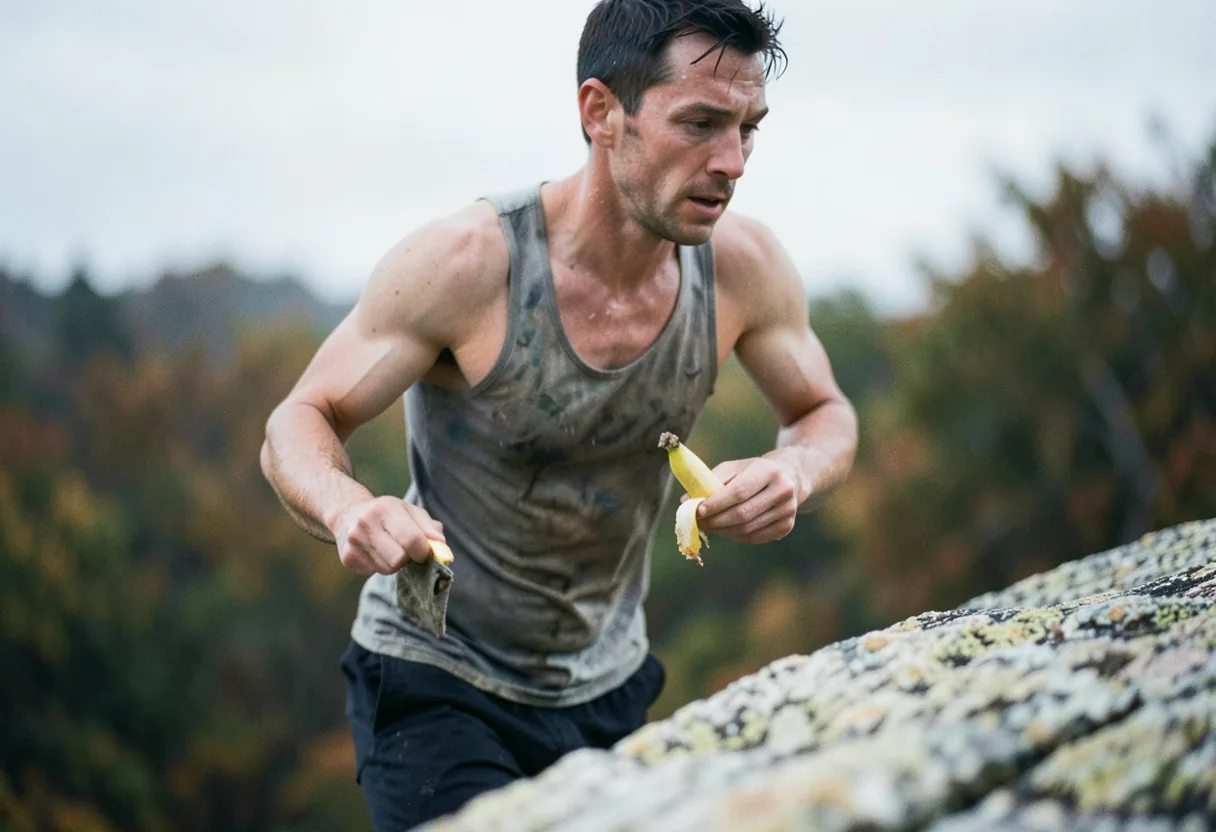
Trail running gels provide quick energy with 20-30g carbs per packet, like GU’s 100-calorie options. Real food, such as bananas or dates, offers similar carbs but with fiber and micronutrients. Gels digest faster, ideal for intense efforts, while real food suits longer, slower runs.
01Trail running gels: Top options
The first time I really looked at the differences between gel brands, I was surprised by how much they vary in ingredients and performance. For the Leadville Trail 100 Mile Run (LMIT), where every calorie counts, choosing the right gel can significantly impact your race. Here are some of the top options:
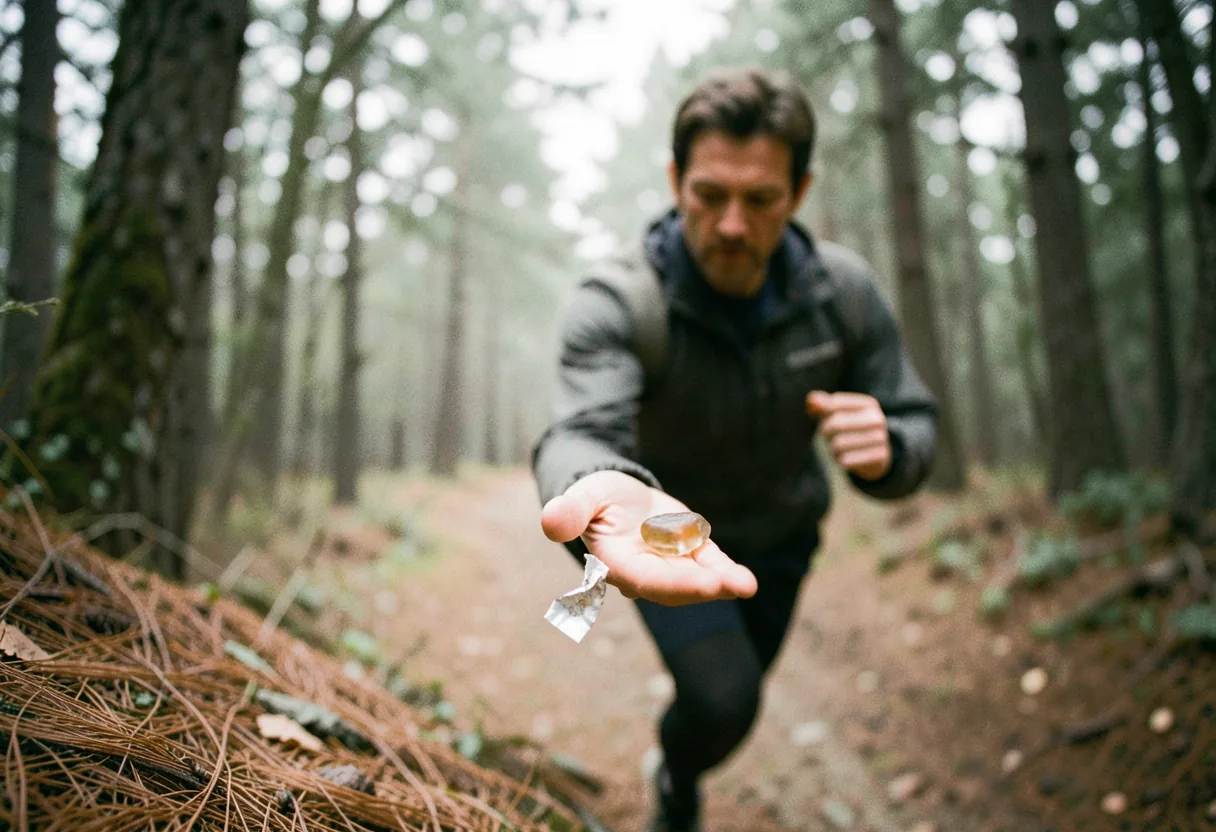
GU Energy Gel, for instance, is a favorite among many athletes for its balance of carbohydrates and optional caffeine boost, making it ideal for those steep climbs in the LMIT. However, its higher sugar content can be a drawback for sensitive stomachs. Honey Stinger Gel, on the other hand, offers a more natural ingredient list but lacks electrolytes, which are crucial for long races.
02Real food: Top options
Real food options are just as varied and can be tailored to your taste and digestive needs. For the LMIT, where you need both quick and sustained energy, here are some of the best choices:
Bananas are a classic choice for their natural sugars and potassium, which helps with muscle cramps. However, they can be messy to eat on the move. Energy bars, like the Clif Bar, offer a good balance of carbohydrates and protein, making them a solid option for sustained energy. Nuts provide healthy fats and protein but can be heavier and harder to eat quickly during a race. Dried fruit is another excellent source of quick energy, but it can be high in sugar, so moderation is key.
03Hydration strategies for the LMIT
Hydration is just as critical as your choice between trail running gels vs real food. The LMIT’s challenging terrain and long duration mean you need a solid hydration plan to complement your nutrition strategy. Here’s how to stay hydrated:
- Pre-race hydration: Start hydrating at least 24 hours before the race. Aim for about 500ml of water in the morning and another 500ml a few hours before the start.
- During the race: Drink small amounts of water or electrolyte drinks frequently. Aim for about 500ml to 1 liter per hour, depending on your sweat rate and weather conditions.
- Post-race recovery: Rehydrate with water and electrolytes to replace lost fluids and minerals. A recovery drink with carbohydrates and protein can also help replenish energy stores.
The LMIT’s aid stations are strategically placed, but it’s a good idea to carry your own water and electrolytes to ensure you stay hydrated throughout the race. Brands like Nuun or Tailwind offer convenient hydration tablets that can be added to your water bottle for a quick electrolyte boost.
04Training tips for nutrition and hydration
Testing your nutrition and hydration strategy during training is crucial for race day success. Here are some tips to help you prepare:
- Simulate race conditions: Practice your nutrition and hydration plan during long training runs that mimic the LMIT’s terrain and intensity.
- Experiment with different options: Try different gels, real food, and hydration strategies to see what works best for your body.
- Monitor your performance: Pay attention to how your body responds to different fuels and hydration levels. Adjust your plan based on what makes you feel your best.
- Practice eating and drinking on the move: Learn to consume gels and real food while running, especially on technical trails. This skill is essential for maintaining energy during the race.
- Consult with experts: If you’re unsure about your nutrition plan, consider consulting with a sports nutritionist or a coach who specializes in trail running. They can provide personalized advice based on your needs.
Remember, what works for one athlete may not work for another. The key is to find what works best for you and stick with it. The LMIT is a challenging race, and having a solid nutrition and hydration plan can make all the difference in your performance.
For more insights on trail running nutrition, check out the ‘s comprehensive guide. Their research-backed advice can help you fine-tune your strategy for races like the LMIT.
05How to choose between gels and real food
Choosing between trail running gels vs real food for the LMIT depends on your personal preferences, digestive tolerance, and the specific demands of the race. Here are some criteria to consider:
- Digestibility: Gels are generally easier to digest quickly, making them ideal for immediate energy. Real food may take longer to digest but can provide sustained energy.
- Convenience: Gels are lightweight and easy to carry, while real food can be bulkier but may offer more variety in flavors and textures.
- Nutritional needs: Gels typically contain a higher concentration of carbohydrates, which are essential for quick energy. Real food can offer a more balanced mix of carbohydrates, proteins, and fats.
- Personal taste: Some athletes prefer the taste of real food over gels. Experiment during training to see what you enjoy eating during long runs.
- Electrolyte content: Many gels include electrolytes, which are crucial for long races. Real food options may not always provide the same level of electrolytes, so you might need to supplement with electrolyte tablets.
Ultimately, the best approach is to test different combinations of gels and real food during your training runs and find what works best for your body. A balanced strategy that includes both quick and sustained energy sources will set you up for success on race day.
06Comparing hydration packs and water bottles
Choosing the right hydration system is just as important as selecting your nutrition. For the LMIT, you need a reliable way to carry and access water throughout the race. Here’s a comparison of hydration packs and water bottles:
Hydration packs, like those from CamelBak or Nathan, are popular for their hands-free convenience and larger capacity. However, they can be more expensive and heavier than water bottles. Water bottles, such as those from Nathan or Polar Bottles, are lighter and more affordable but require you to stop and remove the bottle to drink. Consider your personal preferences and the specific demands of the LMIT when choosing your hydration system.
07Training with elevation and terrain
The LMIT’s challenging terrain, including steep climbs and descents, requires a nutrition and hydration strategy that accounts for varying intensity levels. Here’s how to train effectively for these conditions:
- Simulate elevation changes: Incorporate hill repeats and trail runs with significant elevation gain into your training. This will help you understand how your body responds to different intensities and adjust your nutrition accordingly.
- Practice fueling on the move: Learn to consume gels and real food while running on technical trails. This skill is essential for maintaining energy during the race, especially on steep climbs.
- Adjust hydration frequency: Drink more frequently on steep climbs and descents, as these sections can be more physically demanding and cause you to sweat more. Monitor your hydration needs during training to fine-tune your race day strategy.
- Test different nutrition options: Experiment with different gels, bars, and real food options during your hill workouts. Pay attention to how your body responds to these fuels and adjust your plan based on what works best.
- Consult with experts: If you’re unsure about your nutrition plan for varying terrain, consider consulting with a sports nutritionist or a coach who specializes in trail running. They can provide personalized advice based on your needs and the specific demands of the LMIT.
Training with elevation and terrain in mind will help you develop a nutrition and hydration strategy that works for the LMIT’s unique challenges. By simulating race conditions during your workouts, you can fine-tune your plan and ensure you have the energy and hydration you need to perform your best.
08Advanced nutrition strategies for ultra-endurance races
For ultra-endurance races like the LMIT, advanced nutrition strategies can make a significant difference in your performance. Here are some advanced tips to consider:
- Periodized nutrition: Adjust your nutrition plan based on the intensity and duration of your training runs. For longer runs, focus on sustained energy sources, while for shorter, intense sessions, prioritize quick energy.
- Carbohydrate loading: In the days leading up to the race, increase your carbohydrate intake to maximize your glycogen stores. This can help delay fatigue during the race.
- Electrolyte balance: Monitor your electrolyte levels during training and adjust your intake accordingly. Sodium, potassium, and magnesium are particularly important for maintaining hydration and muscle function.
- Hydration timing: Drink small amounts of water or electrolyte drinks frequently throughout the race, rather than waiting until you feel thirsty. This helps maintain optimal hydration levels.
- Real-time adjustments: Be prepared to adjust your nutrition and hydration plan in real-time based on how you feel during the race. Conditions can change, and your body’s needs may vary.
Advanced nutrition strategies require careful planning and practice. Experiment with different techniques during your training to see what works best for your body. Consulting with a sports nutritionist can also provide valuable insights and personalized advice.
09Nutrition and hydration for varying weather conditions
The LMIT can present a variety of weather conditions, from hot and sunny to cold and rainy. Your nutrition and hydration strategy should adapt to these changes to ensure optimal performance. Here’s how to adjust your plan:
Adjusting your nutrition and hydration strategy for varying weather conditions is crucial for maintaining performance and comfort during the LMIT. By understanding how different weather conditions affect your body, you can fine-tune your plan to ensure you have the energy and hydration you need to succeed.
Takeaway: The best approach is to test different combinations of gels and real food during your training runs and find what works best for your body. A balanced strategy that includes both quick and sustained energy sources will set you up for success on race day.
10Frequently asked questions
What's the advantage of trail running gels over real food?
Gels like GU or Clif Bloks provide quick energy in compact form. A single 100-calorie gel can be consumed mid-run without chewing, unlike real food. Studies show they boost performance in 100-mile races, where eating solid food is impractical.
How does real food compare to running gels?
Real food offers balanced nutrition. Bananas provide potassium, nuts offer healthy fats. A 2018 study in the Journal of Sports Science & Medicine found that dates, with their natural sugars and fiber, improved endurance as effectively as commercial gels.
Are there risks to using running gels?
Overusing gels can cause stomach upset. Many contain high-fructose corn syrup and artificial additives. A 2017 study in the Journal of the International Society of Sports Nutrition found that some brands trigger gastrointestinal distress in 30% of athletes.
Can I make my own trail running fuel?
Yes. Mix honey and oatmeal for a natural gel. Coconut water with sea salt replaces electrolytes. Homemade options avoid preservatives and are cheaper. A common recipe is 1 cup honey, 1 cup water, and a pinch of salt, blended and stored in a squeeze bottle.