
How to Recover After Long Trail Runs
Editorial Team · on 20 June 2026 · 5 min read · Last reviewed 20 June 2026
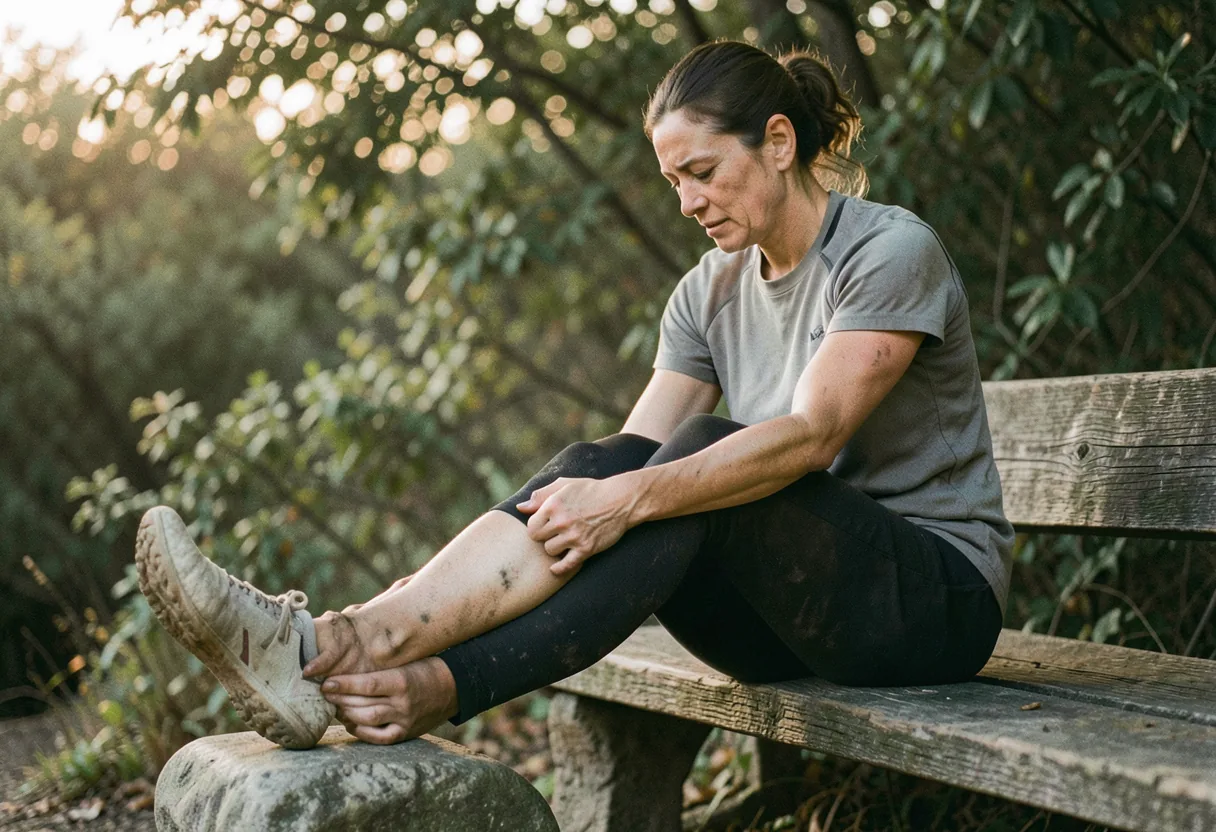
Recovering after long trail runs, especially grueling events like the Lago Maggiore International Trail (LMIT), is a structured process to restore your body and prevent long-term damage from intense exertion.
Think of it like repairing a car after a cross-country race: you don’t just fill the tank and call it a day. You check the engine, tires, and fluids, every part that took a beating. Trail running does the same to your body, so recovery isn’t just about resting; it’s about targeted repair.
Key facts
- Muscle soreness peaks 24-48 hours after a long run due to micro-tears in muscle fibers.
- Hydration and electrolytes must be replenished within 30 minutes post-run to kickstart recovery.
- Sleep is the most critical recovery tool, as growth hormone release during deep sleep aids muscle repair.
- Dynamic stretching post-run reduces stiffness and improves circulation.
01What you need
- A high-quality protein shake or meal (20-30g protein).
- Electrolyte drink or tablets (e.g., Nuun or LMNT).
- Foam roller or massage gun.
- Epsom salts for a post-run bath.
- Compression gear (calf sleeves or tights).
- 7-9 hours of sleep.
02Step-by-step recovery plan
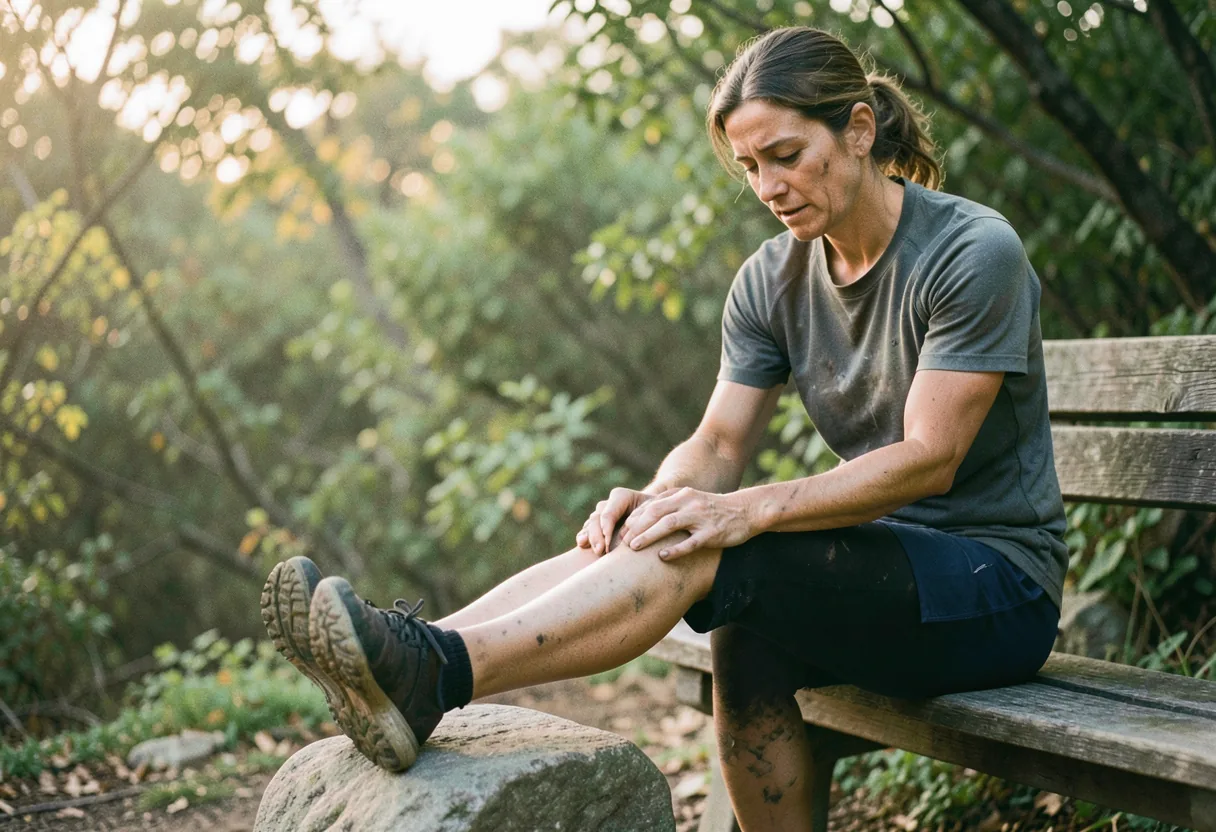
- Rehydrate immediately: Drink 16-24 ounces of water or an electrolyte drink like Nuun within 30 minutes of finishing. Dehydration slows recovery and worsens soreness.
- Refuel with protein: Consume 20-30g of protein (e.g., a whey shake or Greek yogurt) to start repairing muscle damage. Pair it with carbs (e.g., a banana or oatmeal) to replenish glycogen.
- Cool down dynamically: Walk for 10-15 minutes, then perform light dynamic stretches (e.g., leg swings, hip openers) to flush out lactic acid and reduce stiffness.
- Foam roll or massage: Use a foam roller or massage gun on tight muscles (e.g., quads, hamstrings, calves) for 5-10 minutes. Focus on areas that feel especially tender.
- Epsom salt bath: Soak in warm water with Epsom salts for 15-20 minutes to ease muscle tension and reduce inflammation.
- Wear compression gear: Put on compression sleeves or tights to improve blood flow and reduce swelling.
- Prioritize sleep: Aim for 7-9 hours of sleep within 12 hours of finishing. Poor sleep delays recovery and increases injury risk.
- Active recovery the next day: Do a 20-30 minute easy walk or gentle yoga session to promote circulation without overstressing your body.
- Monitor soreness: Use the RICE method (Rest, Ice, Compression, Elevation) if you experience sharp pain or swelling beyond normal muscle soreness.
03Common mistakes to avoid
Skipping hydration: Many runners focus on food but forget electrolytes, which are crucial for muscle function and cramp prevention. Even slight dehydration impairs recovery.
Overtraining: Pushing hard again too soon (e.g., a long run the next day) can turn minor muscle damage into a chronic injury. Stick to easy activity for 48-72 hours.
Ignoring sleep: Sleep is when your body releases growth hormone, which repairs muscle tissue. Skimping on sleep delays recovery by days.
Static stretching post-run: Static stretching (e.g., holding a hamstring stretch) can actually stiffen muscles when done immediately after running. Opt for dynamic stretches instead.
04How to recover after long trail runs: Tailoring recovery to your needs
Recovery isn’t one-size-fits-all. If you’re training for the LMIT, for example, you’ll need to adjust based on factors like terrain, elevation gain, and weather. A run with 5,000 feet of elevation gain will demand more recovery than a flat 20-miler. Listen to your body: if your quads are fried from steep descents, spend extra time foam rolling and stretching them.
05Nutrition for recovery: Beyond protein
Protein is critical, but other nutrients matter too. Antioxidant-rich foods (e.g., berries, leafy greens) reduce inflammation, while omega-3s (e.g., salmon, walnuts) support joint health. Pair your post-run protein with these foods for a fuller recovery. The first time I really looked at my recovery nutrition, I swapped my usual chocolate milk for a smoothie with spinach, blueberries, and almond butter, and the difference in soreness was noticeable.
06When to seek professional help
If soreness lasts more than 72 hours or you experience sharp, localized pain (e.g., knee or ankle), see a physical therapist. Persistent pain could signal an injury that needs targeted treatment. For example, IT band syndrome from downhill running often requires specific exercises to fix.
07Sleep: The unsung hero of recovery
Sleep is the most overlooked recovery tool. During deep sleep, your body releases growth hormone, which repairs muscle tissue and strengthens bones. Poor sleep not only delays recovery but also increases injury risk. Aim for 7-9 hours within 12 hours of finishing a long run. If you struggle with sleep, try a 10-minute meditation or a warm shower to wind down.
08Active recovery: The middle ground
Active recovery, light movement like walking or swimming, is a great way to ease soreness without overstressing your body. For example, a 20-minute walk the day after a long run improves circulation and flushes out lactic acid. Avoid high-intensity workouts; the goal is to move, not push.
Proper recovery isn’t just about bouncing back, it’s about coming back stronger. By following these steps, you’ll reduce soreness, prevent injuries, and be ready to tackle your next trail challenge.
09Frequently asked questions
How much fluid should I drink during recovery?
Aim for 16-24 ounces of fluid for every pound lost during the run. Electrolyte drinks like Nuun or Liquid IV help replace sodium and glucose. Avoid plain water; it dilutes your blood sodium levels, worsening recovery.
What’s the best food to eat post-run?
Within 30 minutes, eat a 3:1 or 4:1 carb-to-protein ratio. Example: a banana with peanut butter or chocolate milk. These foods replenish glycogen and repair muscles. Avoid high-fat or high-fiber foods; they slow digestion.
How do I prevent muscle stiffness the next day?
Foam roll immediately post-run, focusing on quads, hamstrings, and calves. Follow with dynamic stretches like leg swings. Ice baths (10-15 minutes in 50-59°F water) reduce inflammation. Avoid static stretching; it can cause injury.
When should I resume running after a long trail run?
Take 1-2 rest days. On day 3, do a short, easy run (20-30 minutes) on flat terrain. Listen to your body. If joints feel swollen or muscles are tender, add another rest day. Pushing too soon risks overuse injuries like IT band syndrome.