
Trail Running Hydration Strategy for Summer
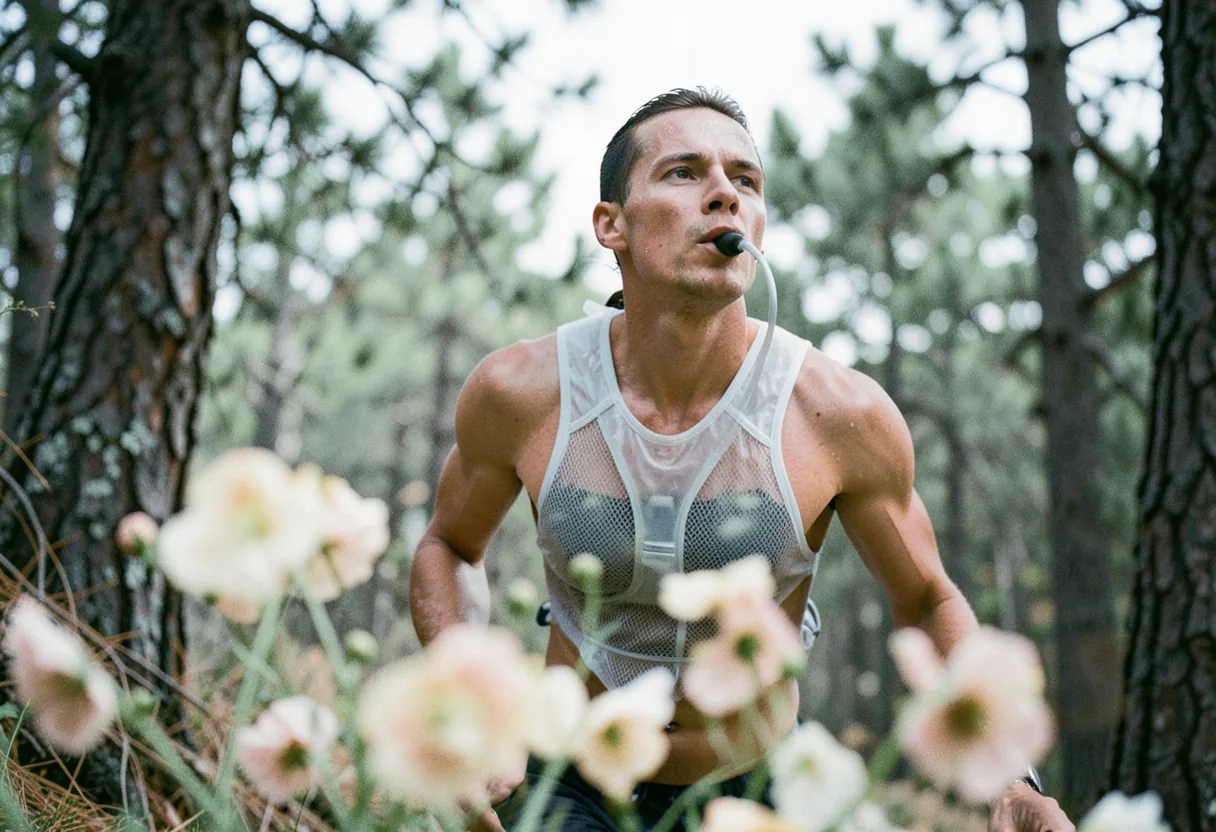
Trail running hydration starts with preloading 16 oz. water 2-3 hours pre-run. Carry a 20-oz. handheld bottle or vest for summer runs, adding electrolytes like sodium to replace losses. Sip 4-8 oz. every 20 minutes, adjusting for heat and effort. Post-run, rehydrate 16 oz. for every pound lost.
A trail running hydration strategy for summer is your personalized plan for drinking fluids before, during, and after races like the 33 km Lago Maggiore International Trail (LMIT) to replace sweat losses and maintain blood flow to working muscles in summer heat.
Think of it like a car’s cooling system: without steady fluid intake on hot trails, your engine overheats. But unlike a car, you can’t just top up at the next gas station, LMIT’s remote stretches mean you must carry enough water and electrolytes to outrun dehydration.
Key facts
- The LMIT route includes just 3 aid stations, requiring runners to carry 500-700 ml of water between checkpoints.
- Dehydration reduces endurance by 10-20%, with heat stress accelerating this decline in summer.
- Electrolytes like sodium and potassium are critical in summer; a 1% body weight loss from sweating impairs performance.
- LMIT’s elevation gain (1,700 m) and midday sun exposure (11:00-16:00) mean fluid loss is 1.5x higher than in spring races.
01Why a summer-specific hydration strategy matters for trail running
Summer’s heat and humidity turn hydration into a precision science. At LMIT, average June temperatures range from 20°C to 30°C, with humidity up to 70%. This forces your body to work harder to cool itself, diverting energy from your muscles. For example, a 70 kg runner may lose 1-1.5 liters per hour through sweat, far more than in cooler seasons. Without a plan, you risk cramps, dizziness, or even heat exhaustion by the halfway point.
LMIT’s aid stations are spaced 10-12 km apart, meaning you’ll run for 1.5-2 hours without access to water. This is where your pre-race hydration and what you carry become critical. Pro tip: Weigh yourself before and after a long training run to calculate your sweat rate, this number becomes your hydration benchmark.
02How to calculate your trail running hydration needs for LMIT
Start by testing your sweat rate in summer conditions. Run 60 minutes at goal pace (e.g., 9 km/h for LMIT) and weigh yourself before and after. Every 0.5 kg lost equals ~500 ml of fluid. For a 70 kg runner losing 1 kg/hour, this means carrying 700-800 ml between aid stations. Add electrolytes to prevent hyponatremia (low sodium levels), especially if you sweat heavily.
The LMIT’s mountainous terrain complicates this. At 1,500 m elevation, oxygen levels drop, increasing perceived effort and sweat rate. Adjust your plan for the race’s profile: drink 150-200 ml every 30-45 minutes on flat sections, increasing to 250 ml on steep climbs. For electrolytes, aim for 300-500 mg sodium per hour, try a drink with 500 mg/L or supplement with salt capsules.
03Best hydration packs and bottles for summer trail running
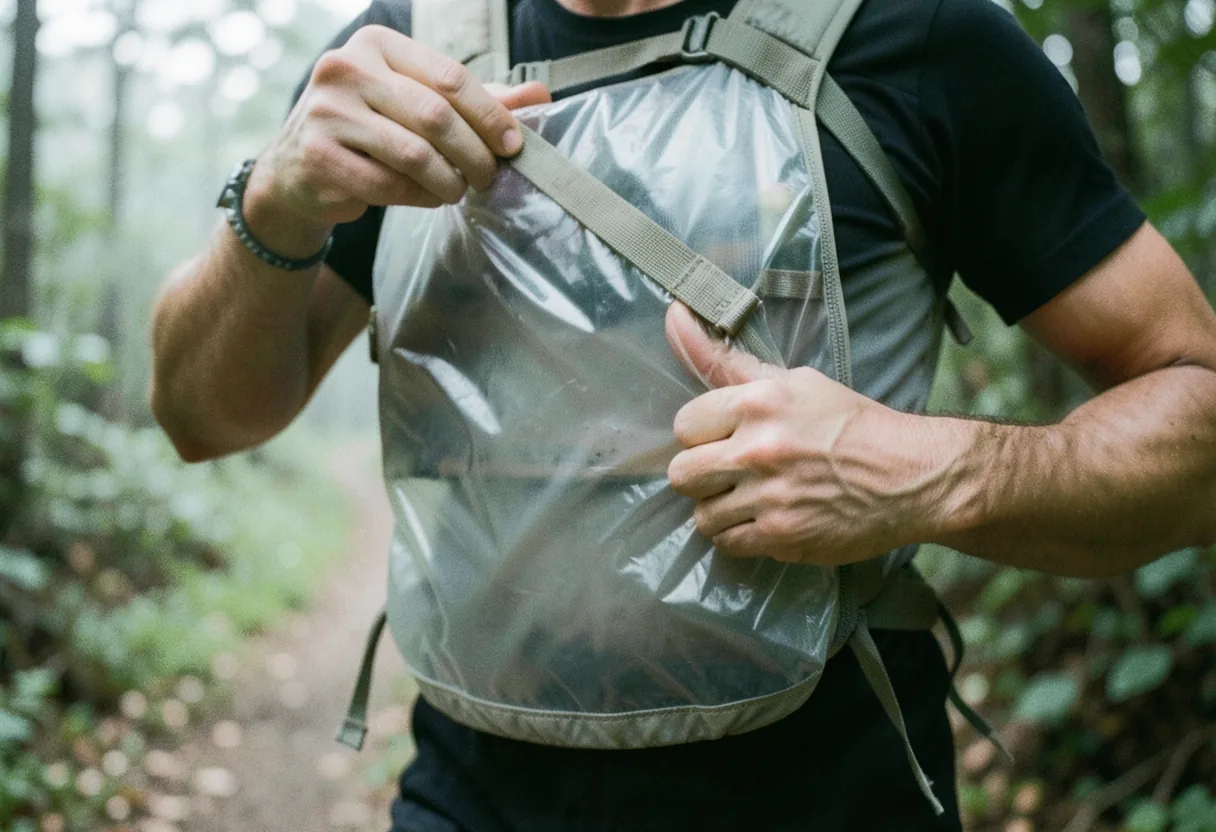
Hydration packs are ideal for LMIT’s long dry stretches, but summer heat means insulation matters. The CamelBak Circuit Vest (1.5L) keeps water cool for up to 2 hours, while the Salomon S/Lab Sense Ultra Set (2L) includes a bite-valve for hands-free drinking. For bottles, the Nathan SpeedDraw Plus (650 ml) fits in a vest pocket, and the Polaroid Insulated Bottle (500 ml) maintains temperatures for 4 hours. Avoid rigid bottles, they bounce and slow you down.
If you prefer handhelds, the Amphipod Xinglet 2 Hydration Belt carries two 500 ml bottles, but test it on rocky trails first. The LMIT’s technical single-track means you’ll need a secure fit. For electrolytes, LMIT’s aid stations provide Isotonic drinks; if you train with them, your stomach will thank you on race day.
Hydration Pack Comparison
04Electrolytes and summer trail running: what you need to know
Electrolytes are non-negotiable in summer. Sodium, potassium, and magnesium prevent cramps and fatigue. LMIT’s aid stations provide basic electrolytes, but if you’re a heavy sweater, carry extra. Brands like Precision Fuel & Hydration offer personalized electrolyte plans based on your sweat test results. Their PH 1500 drink mix includes 500 mg sodium/L, ideal for runners losing >1.5L/hour.
For DIY options, mix 1/4 teaspoon salt and 1/4 teaspoon potassium salt (NoSalt) per 500 ml water. Add a pinch of magnesium powder if you’re prone to cramps. Test this in training, never try new electrolytes on race day. The LMIT’s heat can trigger stomach issues, so stick to what works.
05LMIT aid stations: what to expect
The LMIT’s three aid stations (km 12, 23, and 33) serve water, isotonic drinks, and energy gels. The km 23 station is the last before the final climb, so top up here. Each station has basic medical support, but they’re not fully stocked, bring your own electrolyte tablets or salt capsules as backup. Pro tip: Use the first aid station to dump excess gear if you’re carrying too much weight.
Aid stations are staffed by volunteers, so move quickly. Practice drinking on the run in training, LMIT’s crowds mean you can’t stop. If you rely on specific electrolyte brands, pack them in your hydration vest. The km 12 station is at the lowest point (190 m), while km 23 is at 1,200 m, adjust your fluid intake for the thinner air.
Aid Station Checklist
06Common hydration mistakes in summer trail races
Overhydration is just as dangerous as dehydration. Drinking too much water without electrolytes dilutes sodium levels, causing hyponatremia. Symptoms include nausea, confusion, and seizures, this is why LMIT’s aid stations include electrolytes. To avoid it, drink to thirst, not a rigid schedule. If you’re stopping every 20 minutes for a sip, you’re overdoing it.
Another mistake? Relying solely on water. A 2015 study in the Journal of Sports Sciences found that runners who replaced fluids with electrolytes maintained 5% higher performance in heat. Test your strategy in training, LMIT’s June heat is no time for experiments. And never skip post-race rehydration: weigh yourself after the race and drink 500 ml for every 0.5 kg lost.
07Post-race recovery: rehydrating after LMIT
Recovery starts at the finish line. The first 30 minutes are critical, drink 500 ml of an electrolyte mix within 15 minutes of crossing. LMIT’s finish area provides water and recovery drinks, but bring your own if you have specific needs. Follow up with a meal containing sodium (e.g., soup) and potassium (bananas, sweet potatoes) to restore balance.
Monitor your urine color for 24 hours, it should be pale yellow. If it’s dark, you’re still dehydrated. For long-term recovery, How to Recover After Long Trail Runs include protein (20-30 g within 2 hours) to repair muscles. Avoid alcohol and caffeine, which further dehydrate you. The first time I raced LMIT, I skipped electrolytes post-race and paid for it with cramps the next day, don’t make my mistake.
Post-Race Rehydration Timeline
- 15 minutes post-race: 500 ml electrolyte drink
- 30 minutes: 300 ml water + banana
- 1 hour: 500 ml water + sodium-rich meal
- 2 hours: Protein shake (20-30 g)
08Nutrition timing: pairing hydration with fueling
Hydration and nutrition go hand in hand. For LMIT’s 33 km, aim to consume 30-60 g carbohydrates per hour, paired with fluids. The like GU Energy Gel (21 g carbs) or Maurten Gel 100 (25 g carbs) are lightweight and easy to carry. Take them with 150-200 ml water to speed absorption, try this in training to avoid stomach upset.
On steep climbs, solid food like (e.g., Clif Bar) may feel easier. Pair a bar with 250 ml water every hour. The LMIT’s aid stations offer gels, but bring backups in case they run out. Pro tip: Practice fueling strategies in long training runs, your stomach behaves differently in heat, and you don’t want surprises on race day.
Fueling and Hydration Pairings
09Training in heat: preparing your body for LMIT’s summer conditions
Your body adapts to heat with consistent exposure. Start training in summer conditions at least 6 weeks before LMIT. Gradually increase the duration and intensity of your runs in heat, begin with 30-minute sessions and build to 2-hour long runs. This helps your body learn to sweat earlier and more efficiently, reducing the risk of overheating.
Incorporate heat-specific workouts like the . For example, run intervals at goal pace in midday heat, followed by easy recovery miles. This mimics LMIT’s midday sun exposure and elevation changes. Wear the same clothing and hydration gear you plan to use on race day to test comfort and functionality. The first time I trained in heat, I underestimated its impact, my pace dropped by 10% until my body adapted.
Heat Acclimatization Plan
10Advanced hydration techniques for elite trail runners
Elite runners often use advanced techniques to optimize hydration. For example, the like the one used by Kilian Jornet includes preloading fluids 4 hours before races to start fully hydrated. This involves drinking 500 ml of water with electrolytes every hour leading up to the race. Pro tip: If you’re prone to nausea, sip smaller amounts more frequently.
Another technique is ice slurries, chewing ice during races can cool your core and reduce fluid needs by 20%. The LMIT’s aid stations don’t provide ice, but you could carry a small insulated flask with ice slurries for critical sections. Test this in training to ensure your stomach tolerates it. Additionally, some elite runners use continuous glucose monitors (CGMs) to track energy levels and adjust hydration accordingly.
Advanced Hydration Techniques
Summer hydration isn’t just about drinking, it’s about planning. Test your strategy in heat, carry electrolytes, and trust your sweat rate math. LMIT’s aid stations are lifelines, but they’re not a substitute for preparation. Get this right, and you’ll finish strong, not staggered.
11Frequently asked questions
How much water should I drink per hour while trail running in summer?
Aim for 16-20 ounces per hour, but adjust based on your sweat rate. Use the sweat rate test: weigh yourself before and after a run, drink 16 ounces of water, then run for an hour. Reweigh and calculate fluid loss. Hydrate to replace 80% of that loss during runs.
What’s the best type of hydration pack for hot weather trail running?
Look for packs with insulated bladders, like the CamelBak Circuit Vest, to keep water cool. Bladder capacity should match your run duration. For runs over 90 minutes, consider packs with 2L or more. Test packs during short runs to check comfort and access.
How can I prevent dehydration during long summer trail runs?
Start hydrated: drink 16 ounces two hours before running. Use electrolyte drinks for runs over an hour. Sip regularly, not just when thirsty. Monitor urine color, pale yellow indicates proper hydration. Avoid alcohol the night before, as it dehydrates.
What are the signs of heat exhaustion during trail runs?
Watch for heavy sweating, rapid pulse, dizziness, nausea, or headache. If you experience these, stop running immediately, move to shade, and hydrate with water and electrolytes. Cool down with wet cloths or a damp bandana. Severe symptoms require medical attention.