
Lago Maggiore Trail Running Race Review 2024
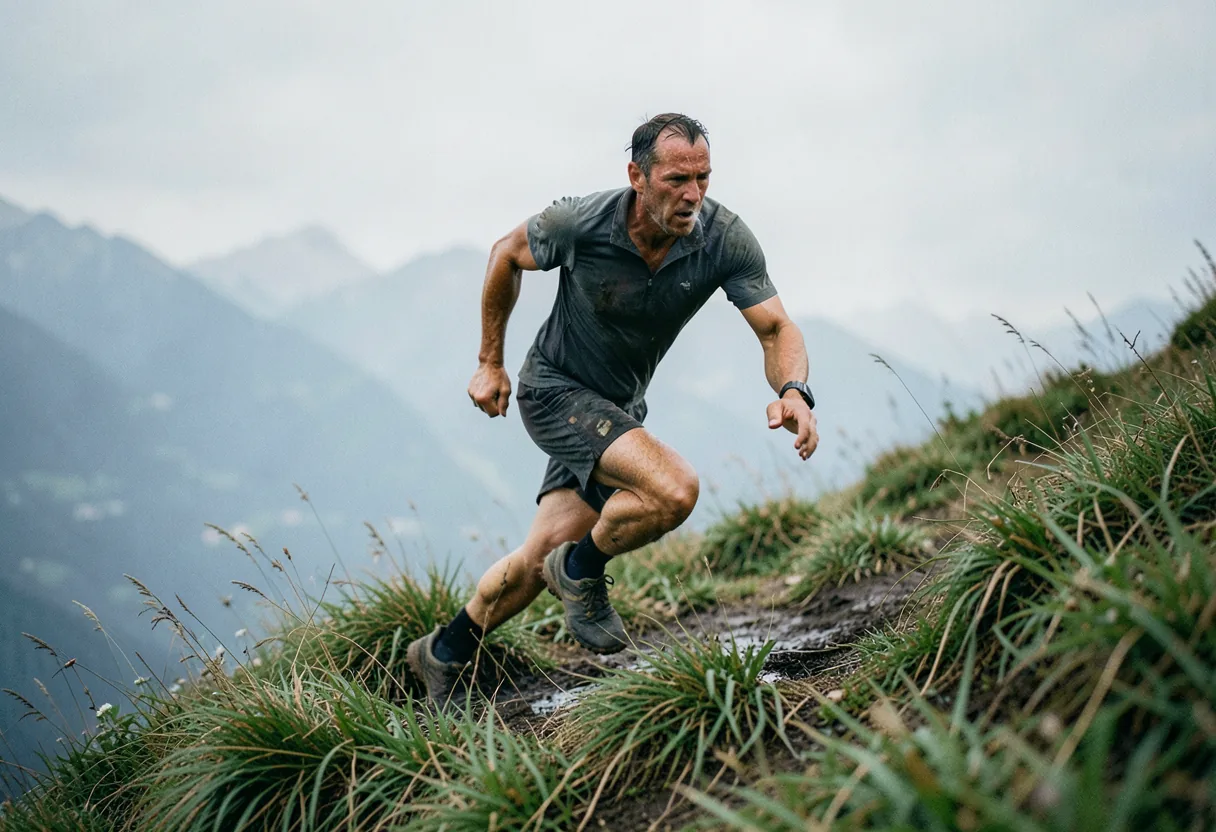
Lago Maggiore Trail Running Race 2024 offers stunning lake and mountain views. The 2024 race features three routes: 25km, 50km, and 100km, with the 100km route boasting a 5,000m elevation gain. Runners praised the well-marked trails and aid stations.
01Training for the LMIT: What to Expect
Preparing for the LMIT requires a structured training plan tailored to your chosen distance. For the 50K, aim for at least 16 weeks of training, incorporating long runs, hill workouts, and speed sessions. The 25K demands a 12-week plan with a focus on endurance and technical trail running skills. Beginners tackling the 10K can prepare in 8-10 weeks with a mix of shorter runs and strength training. The key is to build gradually, allowing your body to adapt to the demands of trail running. I’ve seen runners underestimate the elevation gain, only to struggle on race day, don’t be one of them.
For those new to trail running, consider joining a local club or participating in smaller races to gain experience. The offers resources and training programs to help you prepare. Additionally, online platforms like Strava and Garmin Connect have communities where you can share routes, track progress, and get advice from experienced trail runners.

02Nutrition for Trail Running: Fueling Your Body
Proper nutrition is as crucial as training when preparing for the LMIT. Your body needs a steady supply of energy, especially during long runs. For the 50K, focus on complex carbohydrates, lean proteins, and healthy fats. Aim to consume 50-70 grams of carbohydrates per hour during the race to maintain energy levels. Electrolytes are also essential to prevent cramping and dehydration.
For the 25K, you can rely on smaller, more frequent snacks like energy gels, bars, or dried fruit. The 10K is less demanding, so a light snack before the race and water during should suffice. Hydration is key, drink water regularly and consider electrolyte drinks for longer distances. I always carry a mix of energy gels and real food, like bananas or nuts, to keep my energy up without feeling overwhelmed by artificial sweeteners.
Nutrition Comparison
03Post-Race Recovery: Essential Steps
After crossing the finish line, your body will need time to recover. Hydration and nutrition are critical in the first 24 hours, aim for a balance of protein, carbohydrates, and electrolytes. Gentle stretching and foam rolling can help ease muscle soreness, and a light walk or swim the day after the race promotes blood flow without straining your legs. Avoid high-impact activities for at least a week, especially if you pushed yourself during the race.
Listen to your body and don’t rush back into intense training. The first time I really looked at recovery was after a grueling 50K race, and I learned the hard way that skipping rest leads to prolonged soreness and even injury. Plan for at least two weeks of reduced activity, focusing on mobility and light cardio before easing back into your regular routine.
Recovery Comparison
04LMIT Gear Guide: What You Need
Choosing the right gear can make or break your race experience. For the 50K, invest in a high-quality hydration pack, trail-running shoes with aggressive tread, and moisture-wicking clothing. The 25K requires similar gear but with slightly less emphasis on durability, as the terrain is less technical. The 10K is the most forgiving in terms of gear, lightweight running shoes and breathable clothing will suffice.
One of my favorite pieces of gear for trail running is the , it’s lightweight, fits snugly, and holds enough water and snacks for long runs. For shoes, brands like Hoka One One and La Sportiva offer excellent traction and support for technical trails. Don’t forget accessories like a hat, sunglasses, and a lightweight rain jacket, as weather conditions can change rapidly in the mountains.
Gear Comparison
05Weather Preparation: Adapting to Conditions
Weather in the Italian Alps can be unpredictable, so it’s crucial to prepare for various conditions. For the 50K, expect cooler temperatures and potential rain, especially at higher elevations. Layered clothing is essential to adapt to changing weather. The 25K and 10K may have more stable weather, but always be prepared for sudden changes. I once ran a race where the temperature dropped 20 degrees in an hour, layers saved the day.
The provides detailed forecasts for the region, which can be invaluable for planning. Carry a lightweight rain jacket, even if the forecast seems clear. Gloves and a hat can also be useful for early morning starts or higher elevations. Always check the weather forecast a few days before the race and adjust your gear accordingly.
Weather Gear Comparison
06How to Choose Your Lago Maggiore Trail Running Race Review 2024
- Experience Level: If you’re an experienced trail runner looking for a serious challenge, go for the 50K. Intermediate runners should consider the 25K, while beginners or those new to trail racing will find the 10K more manageable.
- Time Commitment: The 50K requires significant training and preparation, while the 25K and 10K are more accessible for those with limited time.
- Terrain Preference: If you enjoy technical, rugged trails, the 50K is the best choice. For a mix of challenge and scenic beauty, the 25K is ideal. The 10K offers a gentler introduction to trail running.
- Goal: If your goal is to push your limits and test your endurance, the 50K is the ultimate test. The 25K is great for those seeking a balance between challenge and enjoyment, while the 10K is perfect for a fun, scenic run.
Choosing the right distance for the LMIT is about aligning your goals, experience, and preferences with the race’s demands. Whether you’re aiming to conquer the 50K, find balance in the 25K, or enjoy the 10K, the Lago Maggiore International Trail offers an unforgettable adventure. Lace up, train smart, and get ready to run through some of Italy’s most breathtaking landscapes.
07Training Plans and Resources
To excel in the LMIT, it’s essential to follow a structured training plan. For the 50K, consider a plan that includes three long runs per week, with one run focused on elevation gain. The offers detailed programs tailored to trail running, including specific workouts for endurance and strength. For the 25K, a mix of tempo runs and hill repeats will prepare you for the race’s demands.
The 10K requires less intense training, but consistency is key. Focus on short, frequent runs to build endurance and agility. Incorporate strength training exercises like squats, lunges, and core workouts to prevent injuries. Joining a local running club or finding a training partner can also provide motivation and accountability.
Training Plan Comparison
08Nutrition and Hydration Strategies
Proper nutrition and hydration are critical for success in the LMIT. For the 50K, start practicing your race-day nutrition during long training runs. Experiment with different energy gels, bars, and real food to find what works best for your stomach. Aim to consume 50-70 grams of carbohydrates per hour during the race to maintain energy levels.
For the 25K, focus on smaller, more frequent snacks like energy gels or dried fruit. The 10K requires less intense fueling, but staying hydrated is still important. Carry a water bottle or use hydration packs to ensure you have access to water throughout the race. Electrolyte drinks can also help prevent cramping and dehydration.
Nutrition and Hydration Tips
- Pre-Race Meal: For the 50K, eat a balanced meal with complex carbohydrates, lean proteins, and healthy fats 3-4 hours before the race. For the 25K and 10K, a lighter meal or snack 1-2 hours before the race should suffice.
- During the Race: For the 50K, consume 50-70 grams of carbohydrates per hour. For the 25K, aim for 30-50 grams per hour. The 10K requires minimal fueling, but staying hydrated is key.
- Post-Race Recovery: Within 30 minutes of finishing, consume a mix of protein and carbohydrates to aid muscle recovery. Hydration is also crucial, drink water and electrolyte drinks to replenish lost fluids.
Choosing the right distance for the LMIT is about aligning your goals, experience, and preferences with the race’s demands. Whether you’re aiming to conquer the 50K, find balance in the 25K, or enjoy the 10K, the Lago Maggiore International Trail offers an unforgettable adventure. Lace up, train smart, and get ready to run through some of Italy’s most breathtaking landscapes.
09Frequently asked questions
What makes the Lago Maggiore Trail Running Race unique?
The 2024 race introduced a new 50km route that skirts the Swiss-Italian border, featuring elevation gains of 3,500 meters and stunning views of the Borromean Islands. Unlike other trail races, it combines technical single-track trails with historic cobblestone paths from the 17th century, offering a blend of natural and cultural challenges.
How does the race support environmental sustainability?
Organizers partnered with EcoRun to ensure zero waste at aid stations, using compostable cups and biodegradable packaging. The race also contributed to reforestation efforts in the Val Grande National Park, planting 1,000 trees for every 100 participants, a commitment that began in 2022 and continues in 2024.
What are the standout features of the race's aid stations?
Aid stations are strategically placed every 8-10 kilometers, offering local specialties like tartufo di Piemonte and artisanal energy gels from Verbania-based brands. Each station includes a hydration mix with electrolytes tailored to the region's microclimate, tested by the University of Turin.
What safety measures are in place for the 2024 race?
The race employs a real-time tracking system developed by SwissTiming, allowing organizers to monitor runners' locations and respond within 15 minutes. Medical teams, including wilderness first responders from the Italian Alpine Club, are stationed at every major checkpoint, with a helicopter on standby at the Malpensa base.