
Lago Maggiore Trail Race Distances Explained
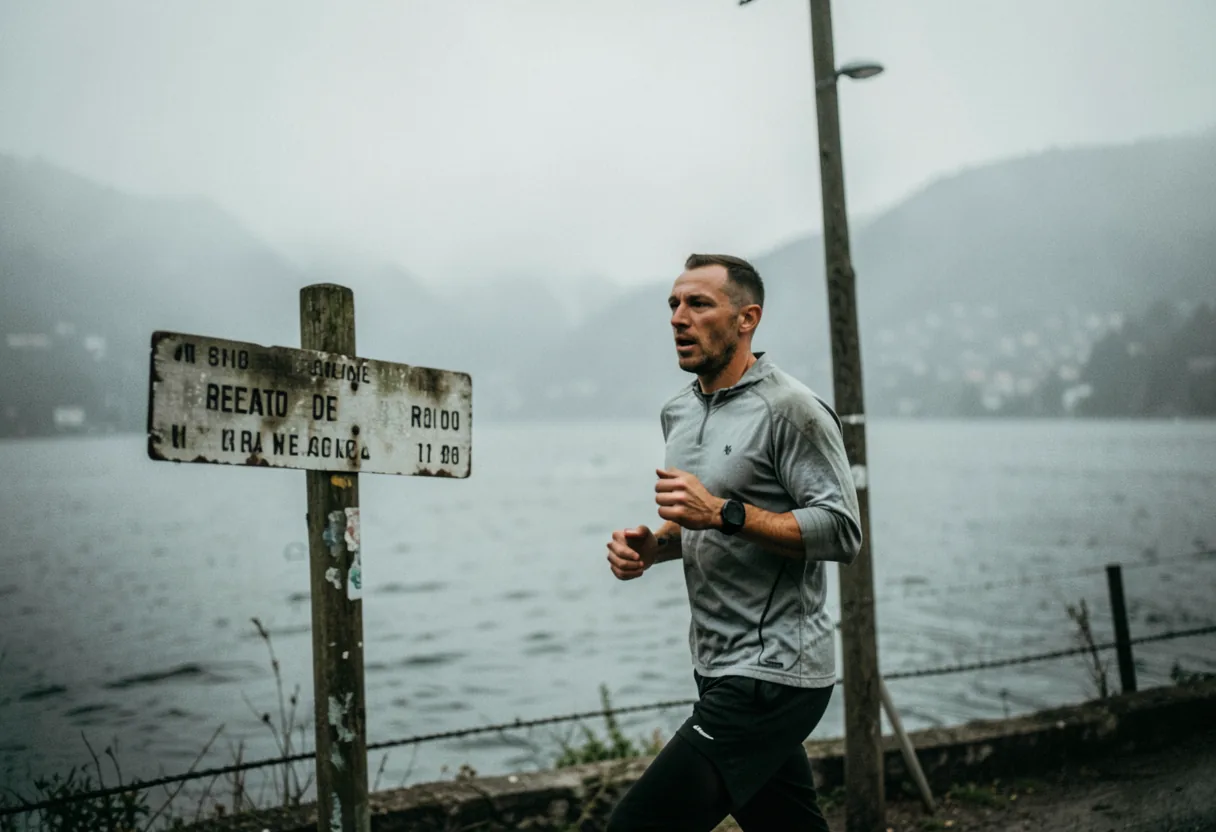
Lago Maggiore Trail Race offers three distances: 42km, 21km, and 10km. The 42km route, the longest, traverses 2,500 meters of elevation gain, including the challenging Colle di Nava pass. The 21km course features 1,200 meters of elevation gain, while the 10km route, the shortest, has 600 meters of elevation gain. All races start and finish in Verbania, Italy.
The Lago Maggiore Trail Race distances explained refer to the specific lengths and challenges of the race routes offered by the annual Lago Maggiore International Trail (LMIT), a competitive trail running event held in the stunning landscapes surrounding Lake Maggiore in northern Italy.
Think of the LMIT race distances as different hiking trails through a mountainous national park, each marked with distinct colors and difficulty levels. The shortest route is like a gentle nature walk, while the longest is a full-day expedition with steep climbs, technical descents, and breathtaking views of the lake and Alps.
Key facts
- The LMIT offers four primary race distances: 14 km, 26 km, 42 km, and 68 km.
- Each distance features a different elevation gain, ranging from 600 meters to 3,800 meters.
- The races take place on mixed terrain, including single tracks, forest trails, and rocky paths.
- The 68 km route is the most challenging, with a time limit of 12 hours.
01Understanding the Lago Maggiore Trail Race distances explained
The LMIT race distances are designed to cater to a wide range of runners, from beginners to elite trail athletes. Each distance offers a unique experience, showcasing the diverse landscapes of the Lake Maggiore region. The 14 km route is perfect for those new to trail running, featuring gentle slopes and scenic views. In contrast, the 68 km route is a true test of endurance, with technical sections and significant elevation changes.
The distances are not just about length but also about the type of terrain and the challenges they present. For instance, the 26 km route includes a challenging climb up Monte Mottarone, rewarding runners with panoramic views of the lake and surrounding mountains. The 42 km route, often referred to as the “classic” distance, combines elements of both the shorter and longer routes, offering a balanced mix of difficulty and scenery.
02What to expect from each Lago Maggiore Trail Race distance
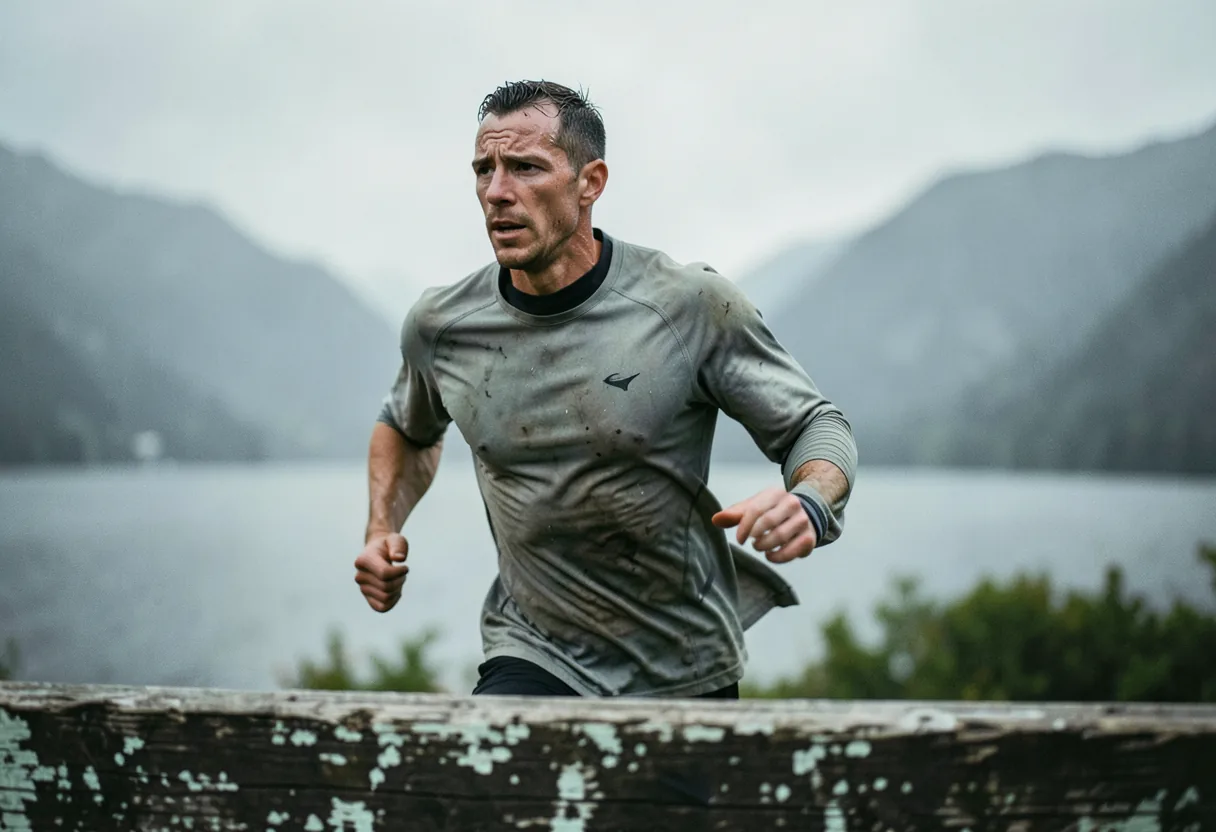
The 14 km route is the shortest and least technical, making it ideal for beginners or those looking for a shorter race experience. It features an elevation gain of around 600 meters and takes runners through picturesque villages and along the lakeshore. The 26 km route, with an elevation gain of 1,500 meters, includes more technical sections and a significant climb up Monte Mottarone, which stands at 1,491 meters above sea level.
The 42 km route is the most popular among intermediate runners, with an elevation gain of 2,200 meters. It includes a mix of single tracks, forest trails, and rocky paths, providing a true trail running experience. The 68 km route is the longest and most challenging, with an elevation gain of 3,800 meters. It features technical descents, steep climbs, and a time limit of 12 hours, making it a true test of endurance and skill.
03Training for the Lago Maggiore Trail Race distances
To prepare for the LMIT race distances, runners should focus on building both endurance and strength. For the shorter distances, such as the 14 km and 26 km routes, a mix of road running and trail running is recommended. Incorporating hill repeats and long runs on similar terrain can help prepare for the elevation changes and technical sections. For the longer distances, such as the 42 km and 68 km routes, runners should focus on building endurance through long runs and back-to-back long runs. Strength training and specific trail running techniques are also crucial for success.
The Lake Maggiore Trail Running Hub offers a range of resources to help runners prepare for the LMIT race distances. From training plans to nutrition advice, these resources can help runners of all levels reach their goals. Additionally, the hub provides information on local trail running groups and events, allowing runners to connect with others and gain valuable experience on the race courses.
04Nutrition and hydration for the Lago Maggiore Trail Race distances
Proper nutrition and hydration are essential for success in the LMIT race distances. Runners should aim to consume a balanced diet leading up to the race, focusing on carbohydrates, proteins, and healthy fats. During the race, it’s important to stay hydrated and consume easily digestible carbohydrates to maintain energy levels. The race organizers provide aid stations along the courses, offering water, electrolytes, and energy gels. However, runners should also carry their own supplies to ensure they have what they need during the race.
For the longer distances, such as the 42 km and 68 km routes, runners should practice their race-day nutrition strategy during training. This includes experimenting with different foods and drinks to find what works best for their individual needs. The Lake Maggiore Trail Running Hub offers a range of resources on nutrition and hydration, including articles, videos, and expert advice. These resources can help runners develop a personalized nutrition plan that supports their performance and recovery.
05Race day tips for the Lago Maggiore Trail Race distances
On race day, it’s important to arrive early and familiarize yourself with the course and aid stations. For the shorter distances, such as the 14 km and 26 km routes, runners should focus on maintaining a steady pace and conserving energy for the technical sections. For the longer distances, such as the 42 km and 68 km routes, runners should start at a comfortable pace and gradually increase their effort as they progress. It’s also important to listen to your body and adjust your pace as needed, especially during the later stages of the race.
Another important aspect of race day preparation is proper gear. Runners should wear comfortable, moisture-wicking clothing and sturdy trail running shoes. For the longer distances, it’s recommended to wear a hydration vest or belt to carry water and supplies. The Lake Maggiore Trail Running Hub offers a range of resources on race day tips and gear recommendations, including articles, videos, and expert advice. These resources can help runners make informed decisions and ensure they have everything they need for a successful race.
06Post-race recovery for the Lago Maggiore Trail Race distances
After completing the LMIT race distances, it’s important to focus on recovery. This includes refueling with a balanced meal, hydrating with water and electrolytes, and gently stretching or foam rolling to release muscle tension. For the longer distances, such as the 42 km and 68 km routes, runners should prioritize rest and allow their bodies time to recover. The Lake Maggiore Trail Running Hub offers a range of resources on post-race recovery, including articles, videos, and expert advice. These resources can help runners develop a personalized recovery plan that supports their overall health and performance.
In addition to physical recovery, it’s important to reflect on the race experience and celebrate your achievements. The Lake Maggiore Trail Running Hub provides a supportive community of runners who share their experiences and offer encouragement. Whether you’re a seasoned trail runner or a first-time participant, the hub is a valuable resource for connecting with others and continuing your trail running journey.
- Build endurance and strength through a combination of road running, trail running, and strength training.
- Incorporate hill repeats and long runs on similar terrain to prepare for elevation changes and technical sections.
- Practice race-day nutrition strategy during training to find what works best for your individual needs.
- Arrive early on race day and familiarize yourself with the course and aid stations.
- Start at a comfortable pace and gradually increase your effort as you progress.
- Focus on recovery after the race, including refueling, hydrating, and gentle stretching or foam rolling.
- Reflect on the race experience and celebrate your achievements within the supportive community of the Lake Maggiore Trail Running Hub.
As a trail running enthusiast, I’ve had the privilege of participating in various races around the world. The Lago Maggiore International Trail stands out for its breathtaking scenery and well-organized events. The race distances cater to runners of all levels, ensuring that everyone can find a challenge that suits their abilities. Whether you’re a beginner looking to dip your toes into trail running or an elite athlete seeking a new challenge, the LMIT offers an unforgettable experience. For more information on the LMIT race distances and how to prepare, visit the Lago Maggiore International Trail Running Schedule & Guide.
The LMIT race distances are not just about the length of the course but also about the unique challenges and experiences they offer. From the gentle slopes of the 14 km route to the technical descents of the 68 km route, each distance showcases the beauty and diversity of the Lake Maggiore region. By understanding the specific demands of each distance and preparing accordingly, runners can ensure a successful and enjoyable race experience.
07Frequently asked questions
What are the official distances for the Lago Maggiore Trail Race?
The race offers five distances: 100 km, 60 km, 30 km, 15 km, and a vertical kilometer (VK) climb. The 100 km route, known as the Gran Trail, starts in Verbania and finishes in Macugnaga, featuring 6,500 meters of elevation gain. The VK is a grueling 1,000-meter vertical climb from Alpe Veglia to Alpe Devero.
How technical are the trails for the Lago Maggiore Trail Race?
The trails range from moderate to extremely technical. The 100 km and 60 km routes include rocky sections, steep ascents, and exposed ridges, particularly around Monte Rosa. The 30 km and 15 km routes are less technical but still feature rocky paths and root systems. The VK is a direct, steep ascent with loose scree and rocky terrain.
What is the elevation profile like for the Lago Maggiore Trail Race?
The 100 km route has 6,500 meters of elevation gain, with the highest point at 2,500 meters on Monte Rosa. The 60 km route has 4,000 meters of elevation gain, peaking at 2,100 meters. The 30 km and 15 km routes have 2,000 and 1,000 meters of elevation gain, respectively. The VK gains 1,000 meters in just 2.5 km.
Are there cutoff times for the Lago Maggiore Trail Race?
Yes, the race enforces strict cutoff times. The 100 km route has a 40-hour cutoff, with intermediate time limits at various checkpoints. The 60 km route must be completed within 18 hours. The 30 km and 15 km routes have 8-hour and 4-hour cutoffs, respectively. The VK must be finished within 1 hour and 30 minutes.