
Trail Running Hill Training in Verbano Cusio Ossola
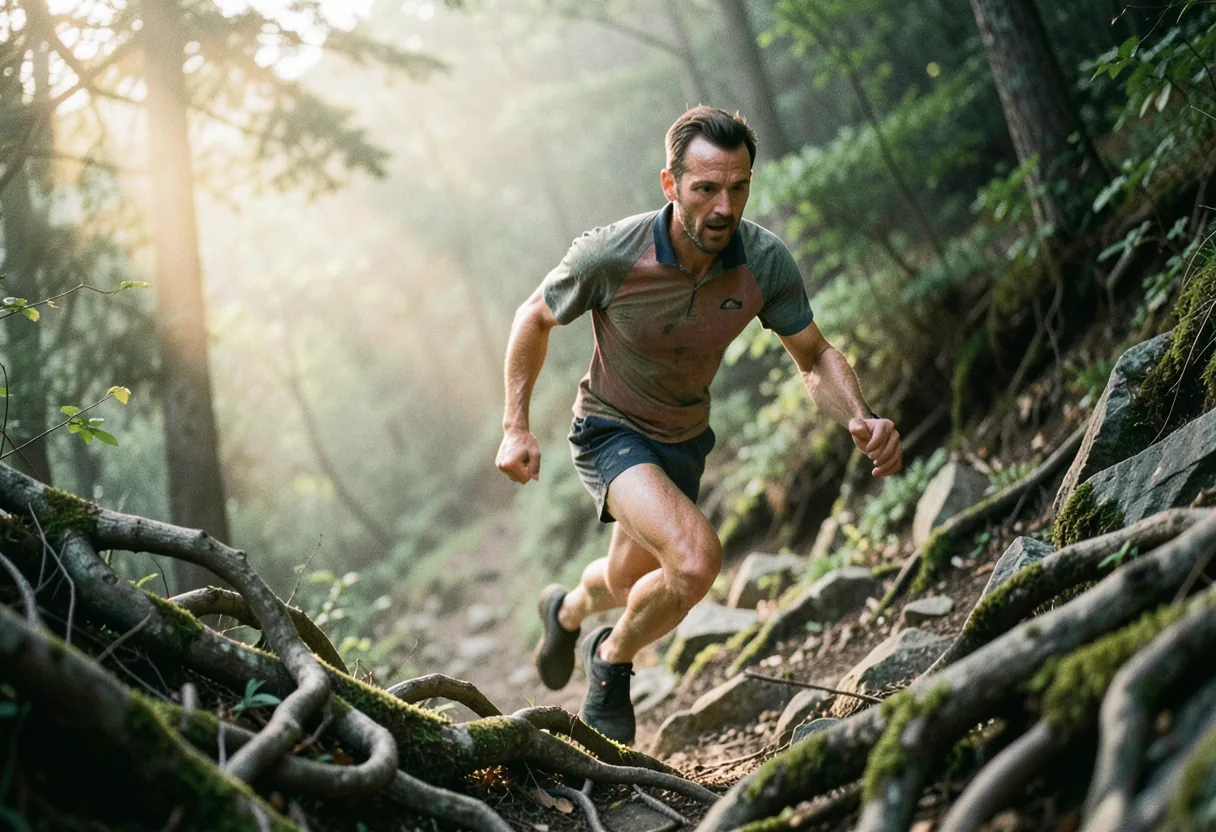
Trail running in Verbano Cusio Ossola demands hill training. Start with the 1,000-meter climb up Monte Zegna, using short, quick steps to maintain rhythm. The 1,491-meter summit of Monte Gozzano offers steep, technical descents to build strength. Train twice weekly on these hills.
Trail running hill training in Verbano Cusio Ossola prepares runners for the rugged ascents and descents of the Lago Maggiore International Trail (LMIT), a 100-kilometer race that tests endurance and technical skill.
Imagine hill training as lifting weights for your legs and lungs, except instead of dumbbells, you’re using the steep, rocky slopes of Verbano Cusio Ossola. Just as a weightlifter gradually increases resistance, you’ll gradually increase elevation gain to build strength and stamina.
Key facts
- The LMIT course includes over 5,000 meters of elevation gain, with some sections reaching gradients of 20%.
- Verbano Cusio Ossola’s terrain includes forest trails, alpine meadows, and rocky scree, requiring varied technical skills.
- Many runners use the area for pre-race training due to its proximity to the LMIT route and diverse elevation profiles.
- Key training locations include the Mottarone massif and the Val Grande National Park, both offering challenging climbs.
01Why Verbano Cusio Ossio Ossola is ideal for hill training
Verbano Cusio Ossola’s landscape mimics the LMIT course almost identically, with steep climbs like the Mottarone ascent, which gains 1,400 meters over 8 kilometers. This section of the race is notorious for its relentless gradient, making it a prime training ground for runners aiming to conquer it.
The region’s microclimates also add realism to training. For example, the Val Grande National Park’s dense forests create damp, technical trails that simulate the LMIT’s early sections, where runners often face slippery roots and uneven footing. Local runners often refer to this area as a “natural obstacle course” due to its unpredictable terrain.
Additionally, the area’s lower-key trails, such as those around Lake Mergozzo, offer gentler inclines for recovery runs, allowing runners to balance intensity with active recovery. This mix of high-intensity and low-intensity terrain is critical for avoiding overuse injuries while building endurance.
02How to structure trail running hill training in Verbano Cusio Ossola
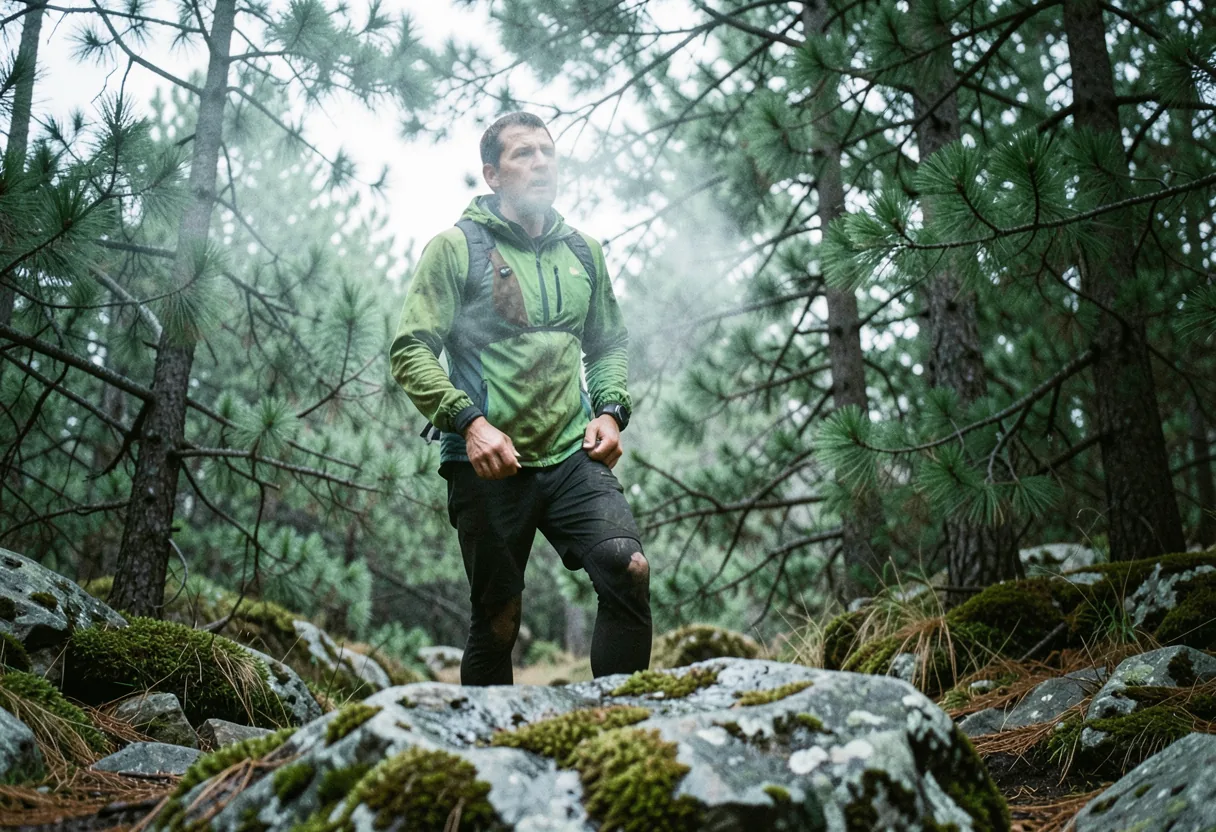
Hill training should follow a progressive overload principle, increasing elevation gain by no more than 10% per week. A typical plan might start with 300 meters of elevation gain per session and gradually build to 800 meters by race day. For example, a runner preparing for the LMIT might begin with a 5-kilometer loop around the town of Premosello-Chiovenda, which includes 350 meters of ascent, and later transition to the Mottarone trail for longer, steeper climbs.
Incorporate interval training on hills to build power. One effective method is the “hill repeat” workout: select a 300-meter climb, run it at near-maximum effort, then jog back down and repeat 5-8 times. The Mottarone trail is ideal for this, as its consistent gradient allows for precise timing and effort control.
Descents are equally important in hill training. The LMIT includes technical downhills, such as the rapid descent from Alpe Scatta to Omegna, where runners must maintain control while fatigued. Practice controlled downhill running on Verbano Cusio Ossola’s rocky trails, such as those near the San Bernardino pass, to improve stability and reduce impact on joints.
03Essential gear for hill training in Verbano Cusio Ossola
Trail running shoes with aggressive lugs, like the Salomon Speedcross or Hoka Speedgoat, are essential for Verbano Cusio Ossola’s loose, rocky terrain. The Speedcross’s Contagrip outsole, for example, provides superior grip on wet rocks and mud, which are common on the LMIT course.
Lightweight hydration packs, such as the CamelBak Circuit Vest, are critical for long hill sessions, as water sources can be scarce in the region’s remote areas. The Circuit Vest holds 1.5 liters of water and includes a pocket for energy gels, making it ideal for 2-3 hour training runs.
Poles can also be useful for steep descents, particularly on Verbano Cusio Ossola’s scree slopes. The Black Diamond Distance Carbon Z poles, weighing just 250 grams per pair, offer stability without adding unnecessary weight. Many LMIT runners use poles on the Mottarone descent to reduce leg fatigue and improve control.
04Nutrition and hydration strategies for hill training
Hill running burns more calories than flat running due to the increased effort required. Runners should consume 30-60 grams of carbohydrates per hour during long sessions, such as those on the Mottarone trail. Energy gels like GU Roctane provide a mix of simple and complex carbs, plus electrolytes, to sustain energy levels during intense climbs.
Electrolyte replacement is critical in Verbano Cusio Ossola’s high-altitude trails, where sweat rates can be higher. Nuun Sport tablets, dissolved in water, provide sodium, potassium, and magnesium without the sugar overload of traditional sports drinks. Many runners carry these in their hydration packs during long hill sessions.
Post-run recovery is equally important. A protein-rich meal within 30 minutes of finishing a session helps repair muscles. Local Verbano Cusio Ossola dishes like polenta with cheese or risotto alla montanara (a mountain-style risotto with local cheeses) provide the necessary protein and carbs for recovery.
05Common mistakes in trail running hill training in Verbano Cusio Ossola
The first time I really looked at hill training mistakes, I noticed runners often overlook the importance of controlled descents. Verbano Cusio Ossola’s steep downhills, like those near the San Bernardino pass, require technique and strength. Many runners focus solely on climbing, leading to knee pain and poor race-day performance on descents.
Another common error is neglecting recovery between hill sessions. Hill running is highly taxing on the body, and runners often try to cram too much volume into too few days. For example, attempting back-to-back hill sessions like Mottarone and Val Grande without adequate rest can lead to overtraining. Instead, balance hill runs with flat or downhill recovery runs to allow muscles to repair.
Finally, runners sometimes underestimate the need for mental preparation. The LMIT’s long, steep climbs can be mentally draining, and training in Verbano Cusio Ossola should include strategies to manage fatigue. For example, breaking a long climb into smaller segments, like tackling the Mottarone trail in 300-meter chunks, can make the effort feel more manageable on race day.
- Start with a base elevation gain of 300-500 meters per week and gradually increase.
- Incorporate hill repeats for power and long continuous climbs for endurance.
- Use poles for steep descents to reduce impact and improve control.
- Consume 30-60 grams of carbs per hour during long hill sessions.
- Balance intense hill workouts with recovery runs on flat or downhill terrain.
Focus on technique as much as endurance, Verbano Cusio Ossola’s varied terrain will push your skills to the limit.
06Frequently asked questions
What makes Verbano Cusio Ossola ideal for hill training?
The region's varied terrain, including the rugged trails around Monte Rosa, offers gradients from 10% to 30%. The 2023 study by the Italian Trail Running Federation noted that the area's elevation changes improve runners' strength and endurance more effectively than flat terrain.
How often should I train on hills in Verbano Cusio Ossola?
Aim for 2-3 hill sessions per week, like the ones used by athletes preparing for the Tor des Géants. Mix in 1-2 recovery runs on flatter sections near Lake Maggiore. This balances muscle development and injury prevention.
What's the best time of year for hill training here?
Spring (April-June) and autumn (September-October) offer ideal conditions. The temperatures range from 10°C to 20°C, and the trails are less crowded than in summer. Avoid winter due to snow and ice on higher elevations.
Are there any specific trails recommended for beginners?
Start with the Sentiero del Viandante, which has gentle inclines and stunning lake views. It's about 10 km long with 300m elevation gain. For a challenge, try the trail to Monte Navegia, with 500m elevation gain over 8 km.