
Trail Running Nutrition Plan for Race Day
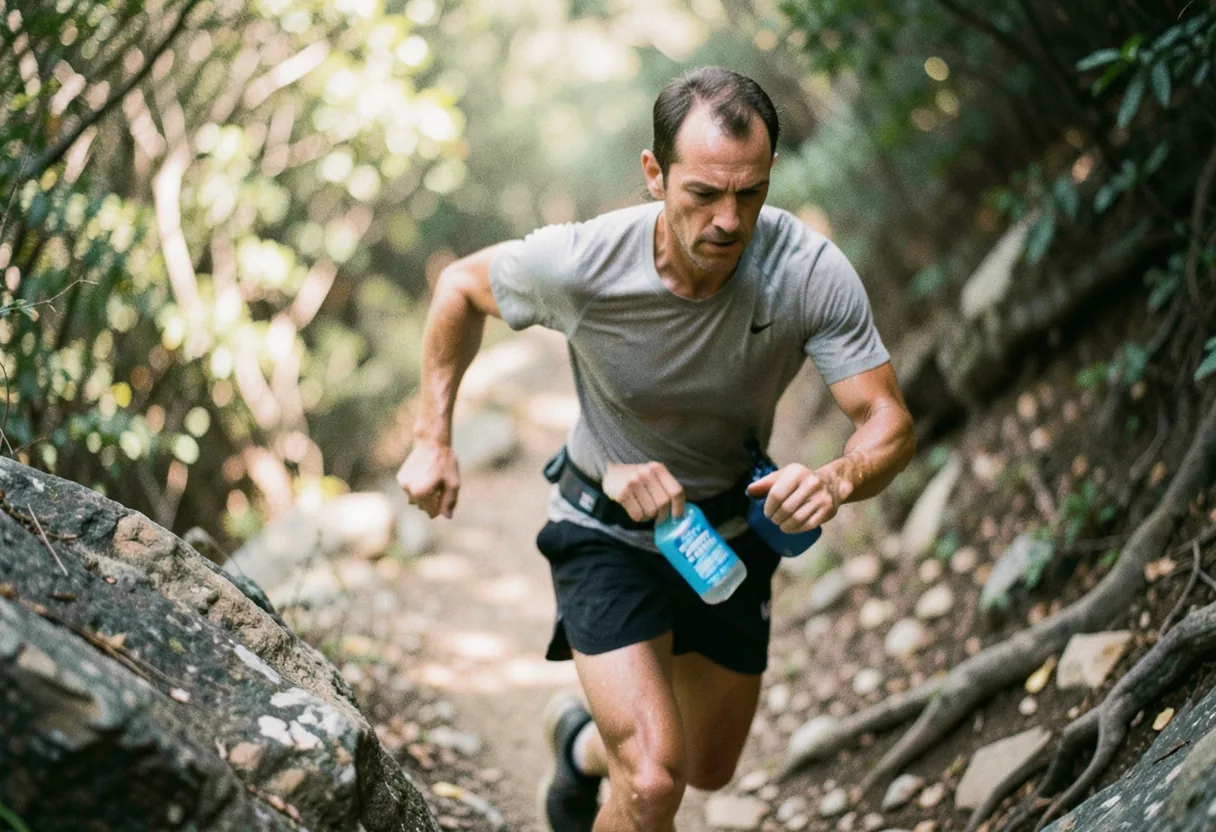
Race day nutrition for trail runners should focus on quick energy and hydration. Start with a light, carb-rich breakfast like a banana and toast two hours before. Carry energy gels or chews, consuming one every 45 minutes during the run. Hydrate with electrolyte drinks, sipping small amounts frequently to prevent cramps.
A trail running nutrition plan for race day is a structured approach to fueling your body before, during, and after a trail running event like the Lago Maggiore International Trail (LMIT).
Think of your race-day nutrition plan as the pit crew for a high-performance race car: it’s not just about filling the tank, but also ensuring the right fuel mix, tire pressure, and oil levels at every critical moment to keep the engine running smoothly.
Key facts
- The LMIT is a 100 km trail race with 6,000 meters of elevation gain, requiring precise nutrition planning.
- Runners typically need 30-60 grams of carbohydrates per hour during long races.
- Electrolyte imbalance can cause cramps and fatigue, so hydration strategy is equally important.
- Personal testing during training is crucial, as individual needs vary widely.
01Understanding the Lago Maggiore International Trail’s nutrition challenges
The LMIT’s mixed terrain, technical single-track, rocky paths, and alpine meadows, demands a nutrition plan that accounts for variable intensity and weather. The first time I studied the LMIT route map, I noticed how the elevation profile included long climbs followed by steep descents, requiring careful carb and electrolyte timing to avoid bonking during descents or stomach issues on technical sections.
The race’s remote sections also mean limited aid station options, forcing runners to carry some fuel. The official LMIT nutrition guidelines recommend a mix of gels, real food, and liquids, with a focus on easily digestible options. For example, many top finishers use a combination of maize-based gels for quick energy and dried fruit for slower-release carbs.

02Creating your fueling plan: key principles
Your trail running nutrition plan for race day should follow these evidence-based principles: practice your plan during long training runs, aim for 30-60g carbs/hour, and prioritize easily digestible foods. The general rule is to consume 30-60 grams of carbohydrates per hour during races longer than 90 minutes. This range accounts for individual differences in gut absorption, so testing is critical.
For the LMIT’s early stages, focus on carbs with a bit of protein (like a banana and a few nuts) to kickstart energy stores. As intensity increases, switch to faster-absorbing carbs like glucose-based gels. Caffeine can also help during tough sections, with studies showing 3-5mg per kg of body weight improving performance.
03Race day: the 24-hour nutrition timeline
Your nutrition plan starts 24 hours before the race. The night before, focus on familiar, easily digestible carbs like pasta or rice, with moderate protein and low fat. Aim for a meal like whole-wheat pasta with tomato sauce and grilled chicken, eaten 3-4 hours before race start. During the LMIT, many runners opt for a pre-race dinner of pesto pasta with turkey, which provides balanced energy without stomach upset.
In the 2-3 hours before the race, have a smaller carb-focused meal or snack. For the LMIT’s early morning start, many runners choose toast with honey and a sports drink. During the race, follow your tested fueling schedule, aiming for 200-400ml of fluid every 20-30 minutes and combining carbs with electrolytes, especially sodium.
04Mid-run fueling: gels, real food, or both?
For races like the LMIT, most runners use a mix of gels and real food. Gels provide quick energy but can cause stomach issues if overused, while real food digests slower but may be gentler. Many top trail runners alternate between gels every 45 minutes and real food like dried mango or energy bars every hour.
During technical sections, focus on easy-to-eat options like energy gels or chews. For less technical parts, real food can provide variety and mental relief. The LMIT’s aid stations offer a range of options, including SiS Energy Gels and fresh fruit, allowing runners to tailor their intake.
05Post-run recovery: the 30-minute window
Within 30 minutes of finishing the LMIT, consume a recovery drink with a 3:1 or 4:1 carb-to-protein ratio, like chocolate milk or a specialized recovery shake. This kickstarts muscle repair and glycogen replenishment. Follow up with a balanced meal containing carbs, protein, and healthy fats within 2 hours.
Many LMIT runners use recovery smoothies with banana, protein powder, and oats immediately after finishing, then enjoy a hearty meal like grilled salmon with quinoa and vegetables later. Proper post-run nutrition helps reduce fatigue and accelerates recovery, allowing you to train effectively for your next big race.
06Nutrition apps and resources for trail runners
Several apps can help you plan and track your race-day nutrition. MyFitnessPal allows detailed logging of meals and snacks, while TrainerRoad offers structured nutrition plans for endurance athletes. For real-time tracking during races, many runners use Strava to log fueling and hydration.
Online communities like the Trail Running Nutrition Reddit group (r/trailrun) provide valuable peer advice. Many runners also follow sports dietitians on social media for evidence-based tips. The LMIT’s official website offers a downloadable nutrition guide, which includes sample meal plans and supplement recommendations tailored to the race’s demands.
07Supplements: what works and what doesn’t
While whole foods should form the basis of your nutrition plan, some supplements can support performance. Electrolyte tablets or drinks help maintain sodium levels during long, sweaty efforts. Beta-alanine may reduce muscle fatigue, though results vary. Many LMIT runners use Nuun tablets in their water bottles to maintain electrolyte balance.
Caffeine is another popular supplement, with studies showing it can improve endurance performance. However, individual tolerance varies, so test it during training. Some runners prefer natural sources like coffee or dark chocolate, while others use caffeine gels or chews during tough race sections.
08Testing your nutrition plan during training
Your race-day nutrition plan should be thoroughly tested during long training runs. Start by practicing your pre-race meals during long weekend runs. Gradually introduce different fueling options during runs of varying intensity and duration to see how your body responds.
For the LMIT, simulate race conditions by carrying your fuel and practicing at aid stations. Note any stomach issues, energy crashes, or other problems, then adjust your plan accordingly. Keep a detailed log of what works and what doesn’t, including specific brands and flavors that agree with your stomach.
09Common mistakes to avoid
Many runners make critical nutrition mistakes on race day. Trying new foods or supplements during the race is a recipe for disaster. Always test everything during training. Another common error is failing to drink enough, especially in hot conditions. Set reminders to sip fluids regularly, even if you’re not feeling thirsty.
Overfueling can also cause stomach issues. Stick to your tested plan and don’t succumb to pressure to eat more at aid stations. Many LMIT runners carry small packs of their preferred fuel to avoid relying solely on aid station offerings, which may not match their personal needs.
- Test all nutrition components during training
- Practice fueling strategies at different intensities
- Carry your preferred fuel to avoid aid station reliance
- Set reminders to drink regularly
- Stick to your tested plan on race day
Your trail running nutrition plan for race day is your secret weapon for strong performance. By carefully planning and testing your fueling strategy, you’ll arrive at the LMIT start line confident in your body’s ability to perform at its best.
10Frequently asked questions
What should I eat the morning of a trail race?
Keep it simple and familiar. Oatmeal with banana and honey provides slow-release carbs. A boiled egg adds protein. Avoid high-fiber foods to prevent stomach issues. Hydrate with water or diluted sports drink. Example: 2 hours before race, eat 1.5 cups oatmeal, 1 banana, 1 tsp honey, 1 boiled egg, 16 oz fluid.
How often should I take energy gels during a race?
Every 45-60 minutes for races over 90 minutes. Choose gels with 20-25g carbs. Practice your brand in training. Take with water, not sports drink. Example: 1 gel at 45 min, 1 at 90 min for a 3-hour race. Avoid caffeine gels if you're unaccustomed.
What's the best way to hydrate during a trail race?
Sip 4-8 oz fluids every 20-30 minutes. Use electrolyte drinks for races over 2 hours. Carry a handheld bottle or hydration vest. Weigh yourself pre- and post-training to gauge fluid loss. Example: 16 oz every hour for a 5-hour race in warm weather.
Should I try new nutrition strategies on race day?
Never. Test everything in training. Race day is not the time for experimentation. Your stomach tolerates only what it's used to. Example: If you've only trained with Gatorade, don't switch to Tailwind on race day. Stick to your proven plan.